
The open hand monument is a symbol created by the chief architect of Chandigarh, Le Corbusier. Created as a counter to the closed fist of Stalinist Russia, he made the open hand a symbol for the city.
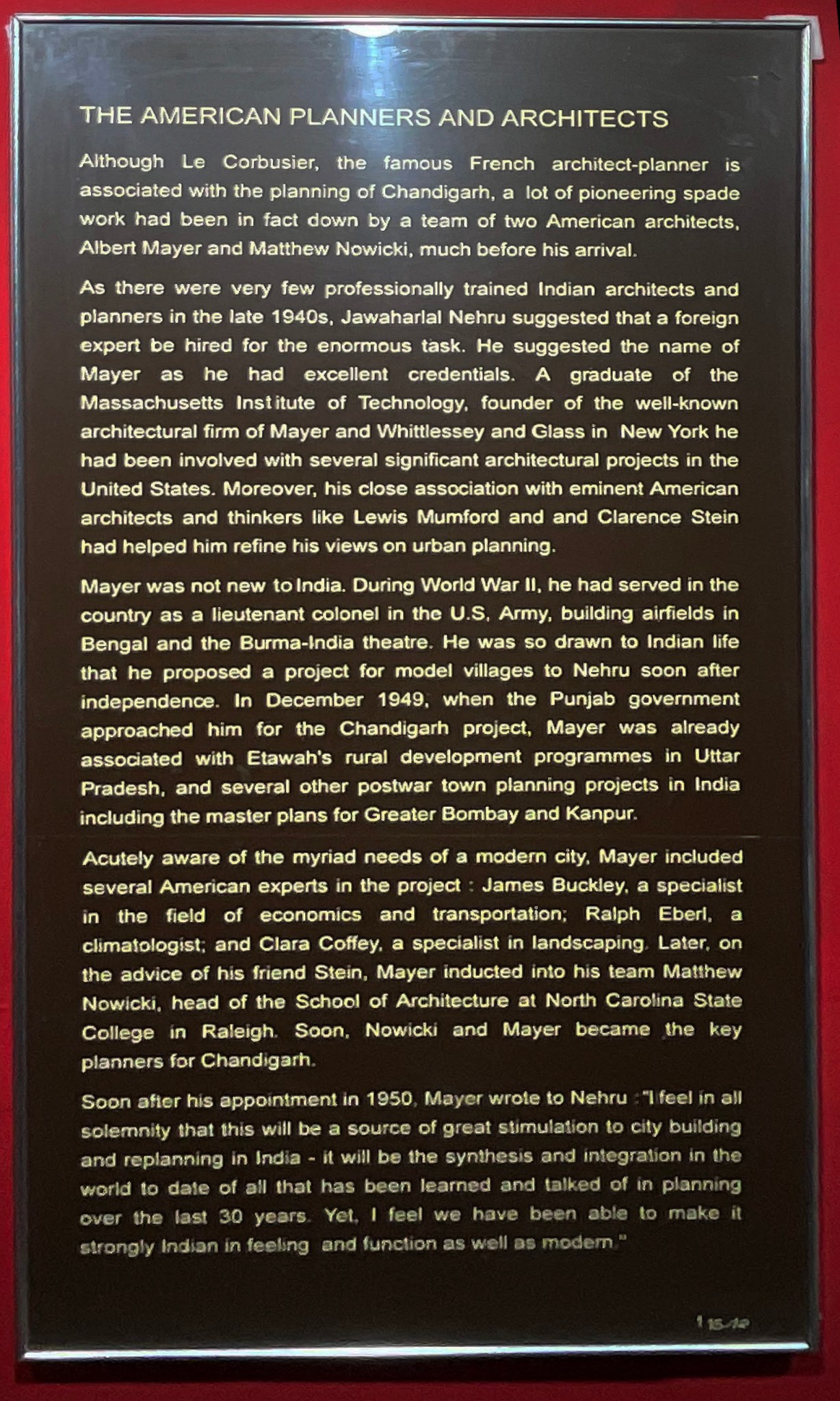
Most of the major buildings were designed by Le Corbusier, his cousin Pierre Jeanneret, and his team consisting of many local Indian architects, many of whom became prominent names within the architecture community.
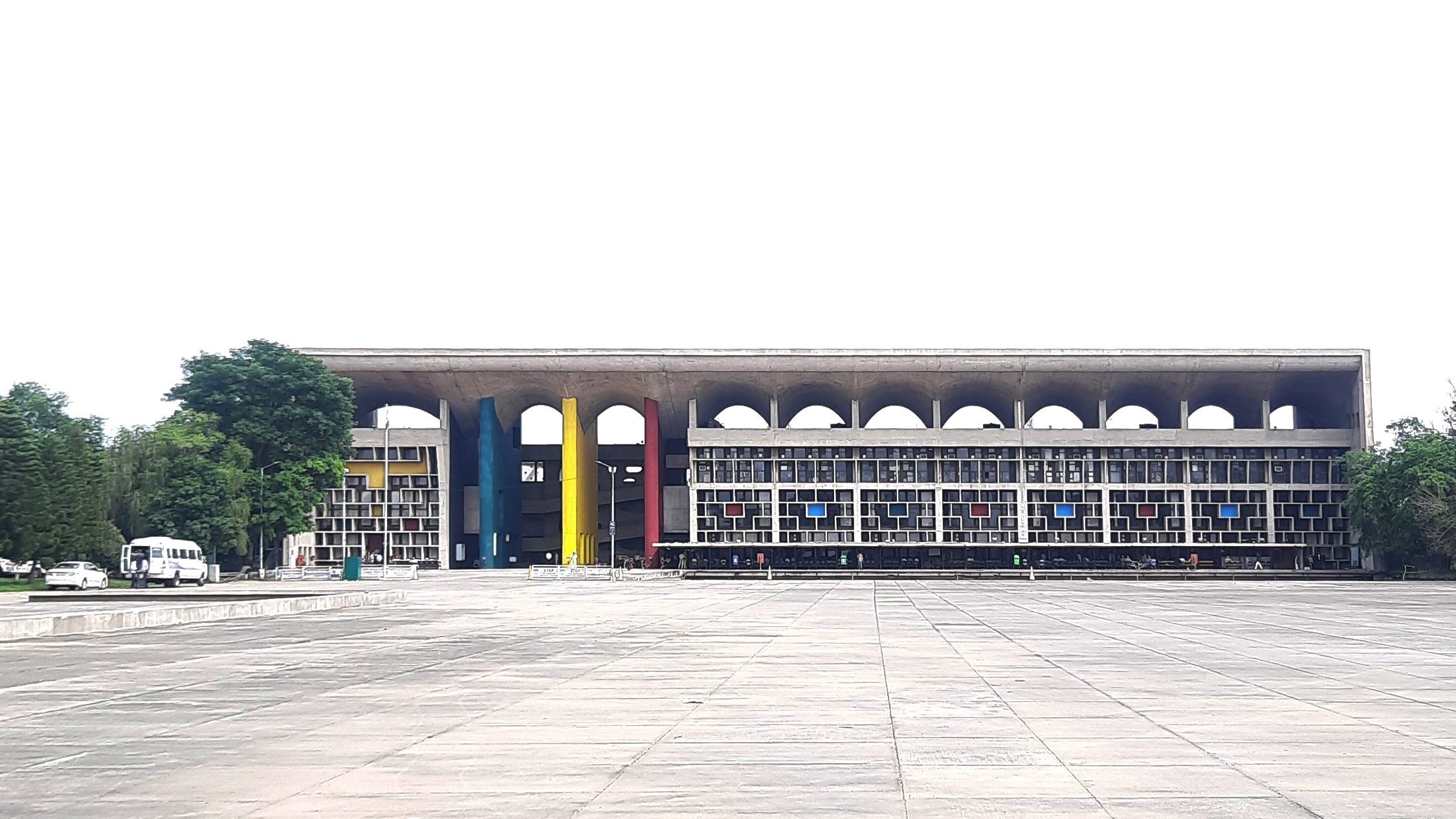
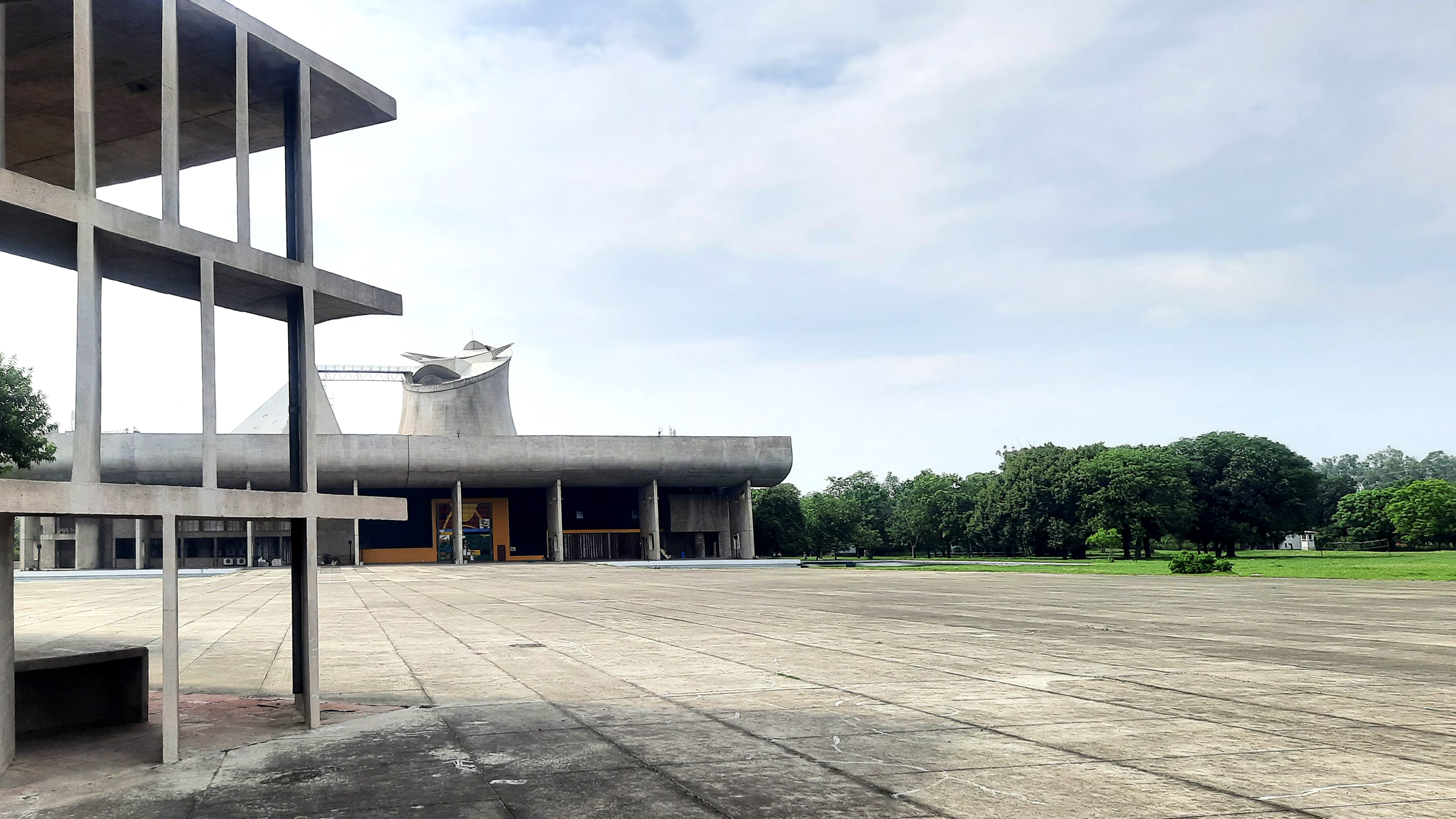
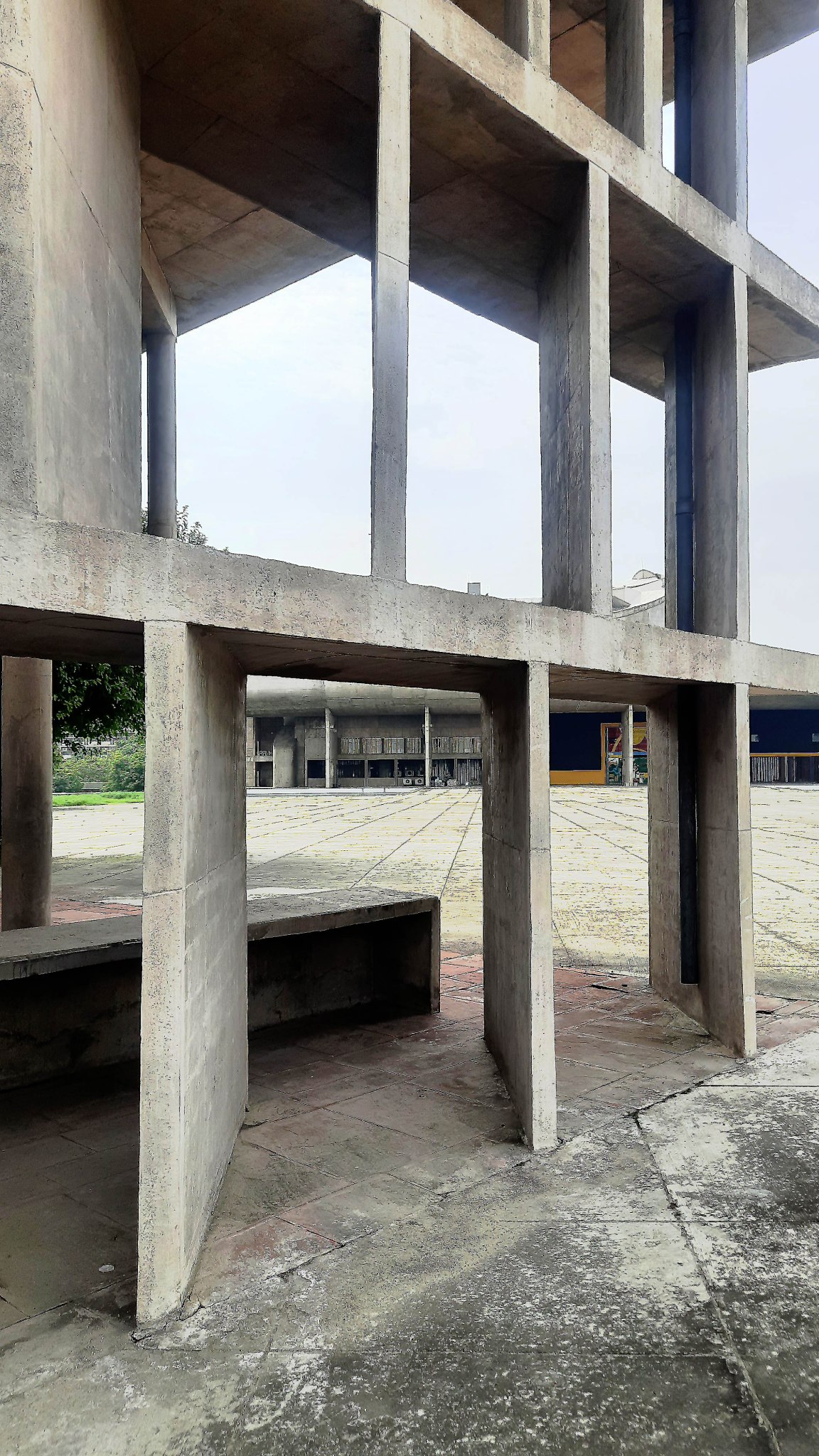
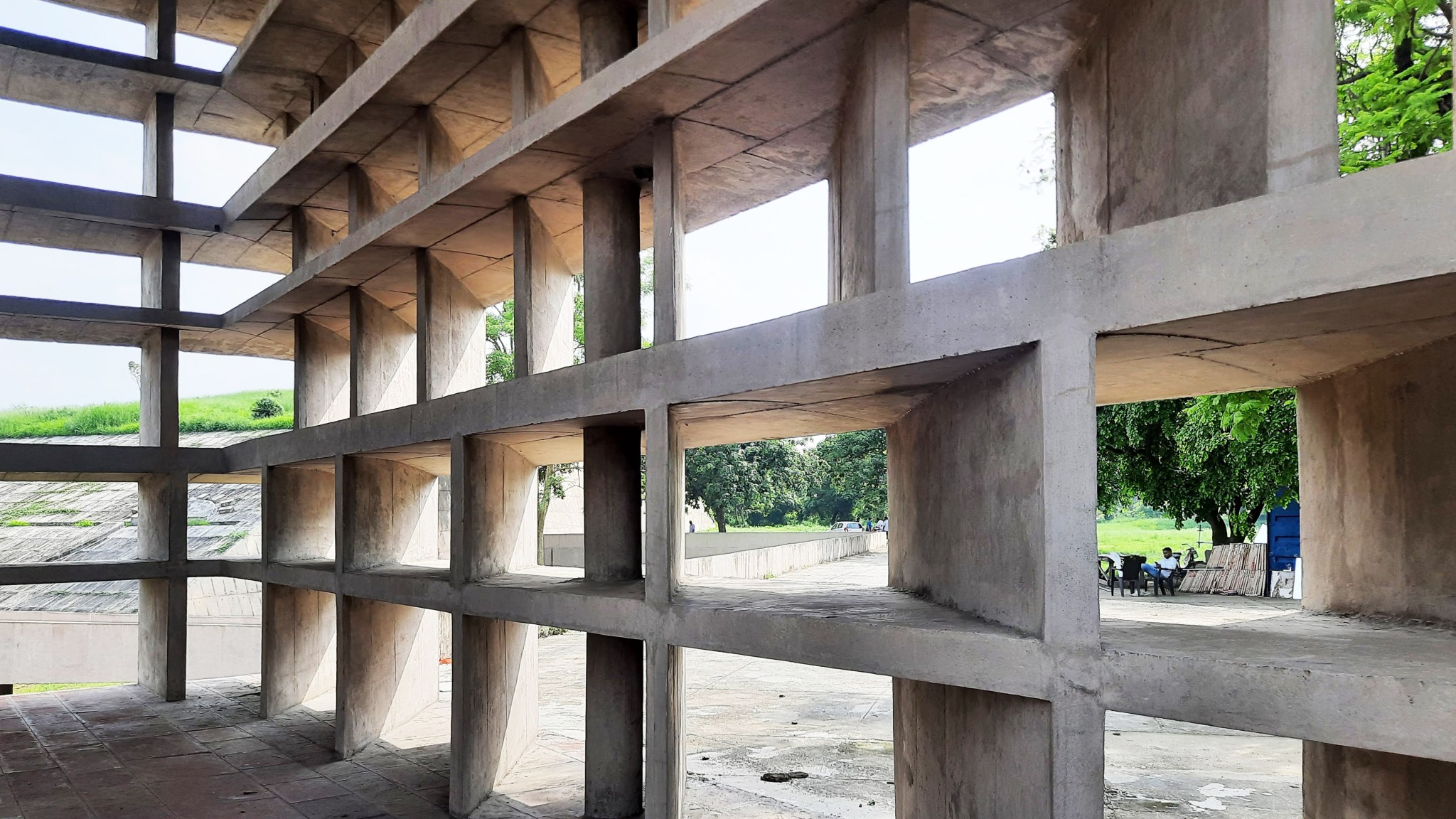
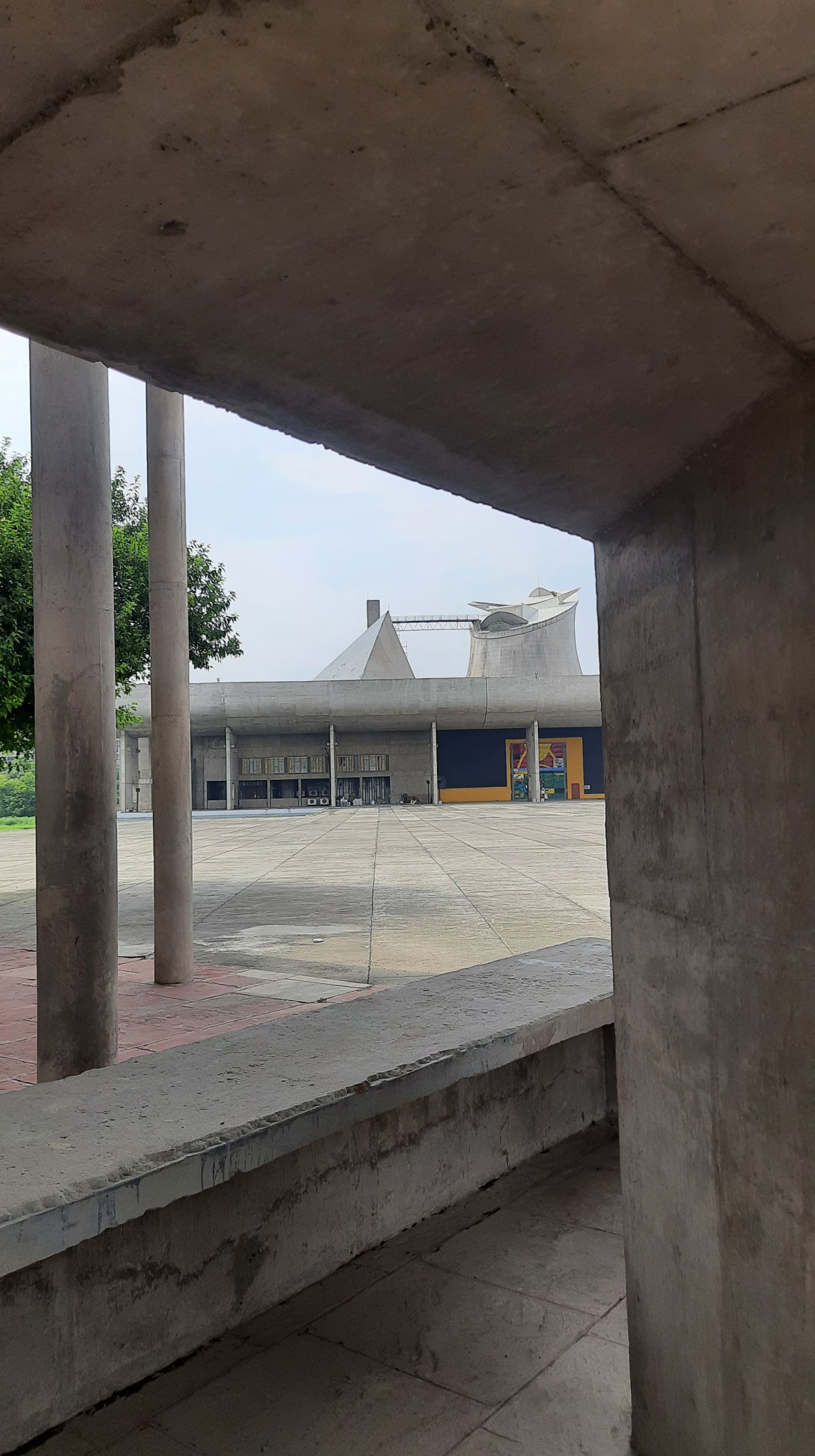
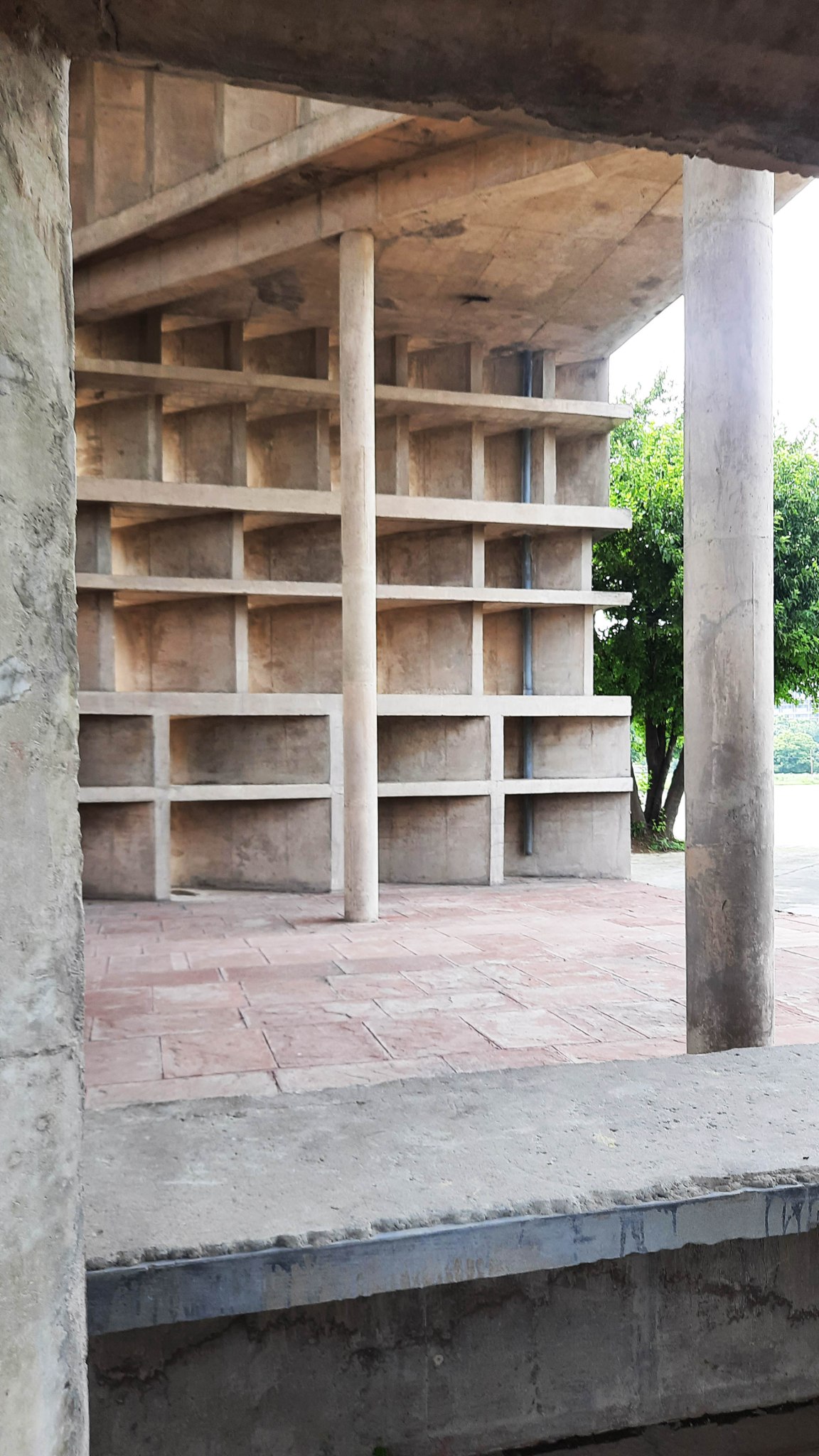
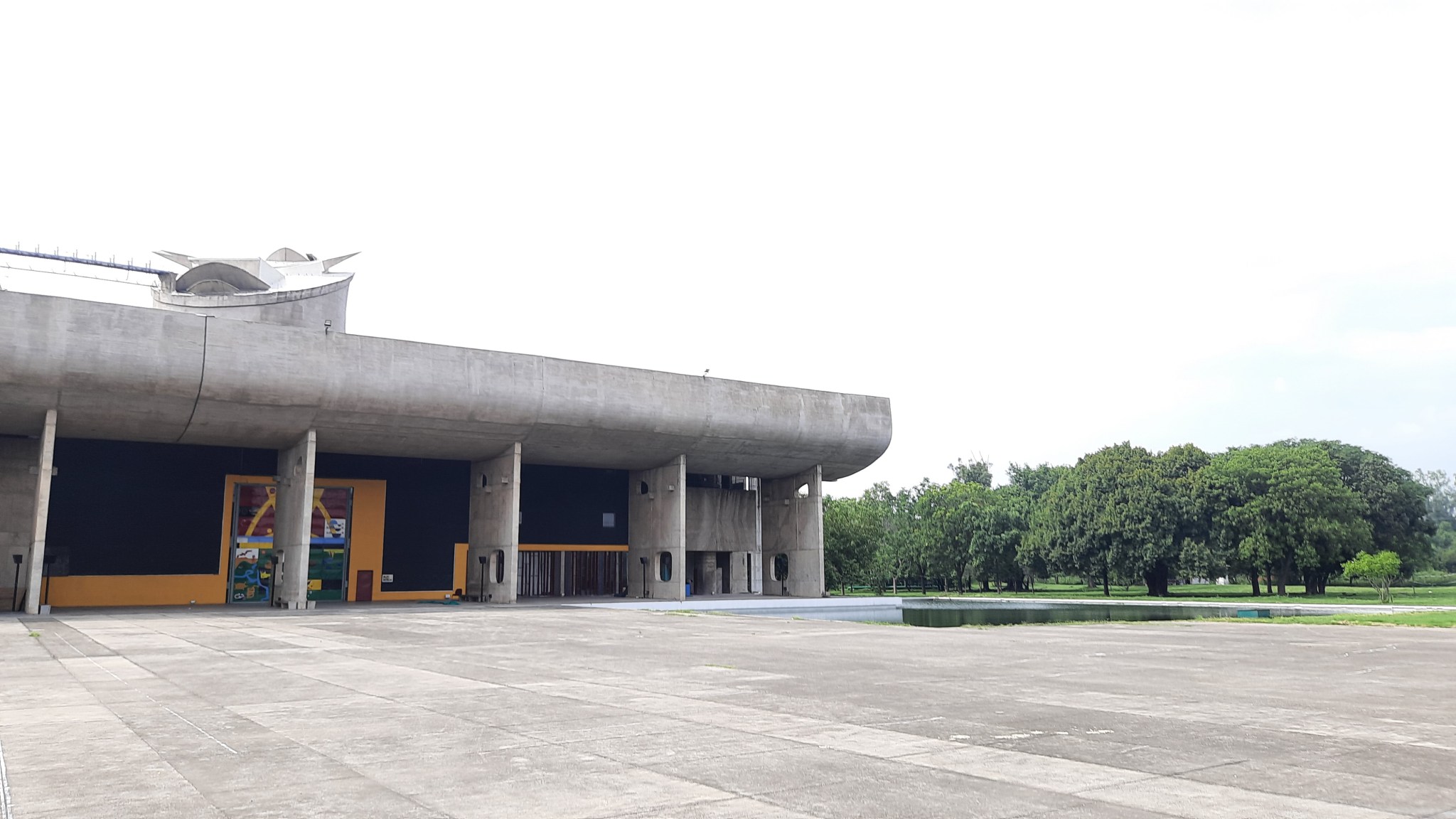
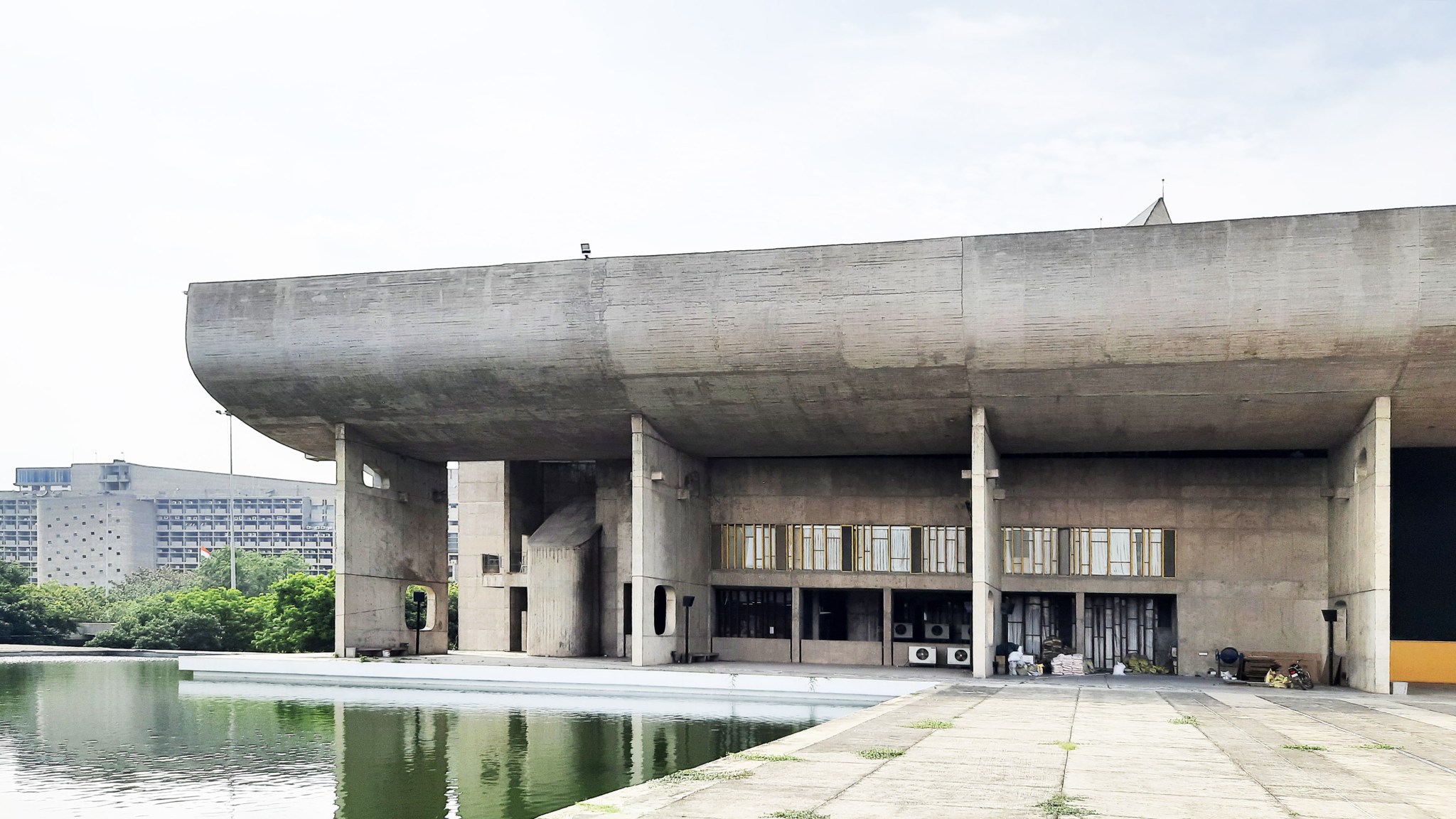
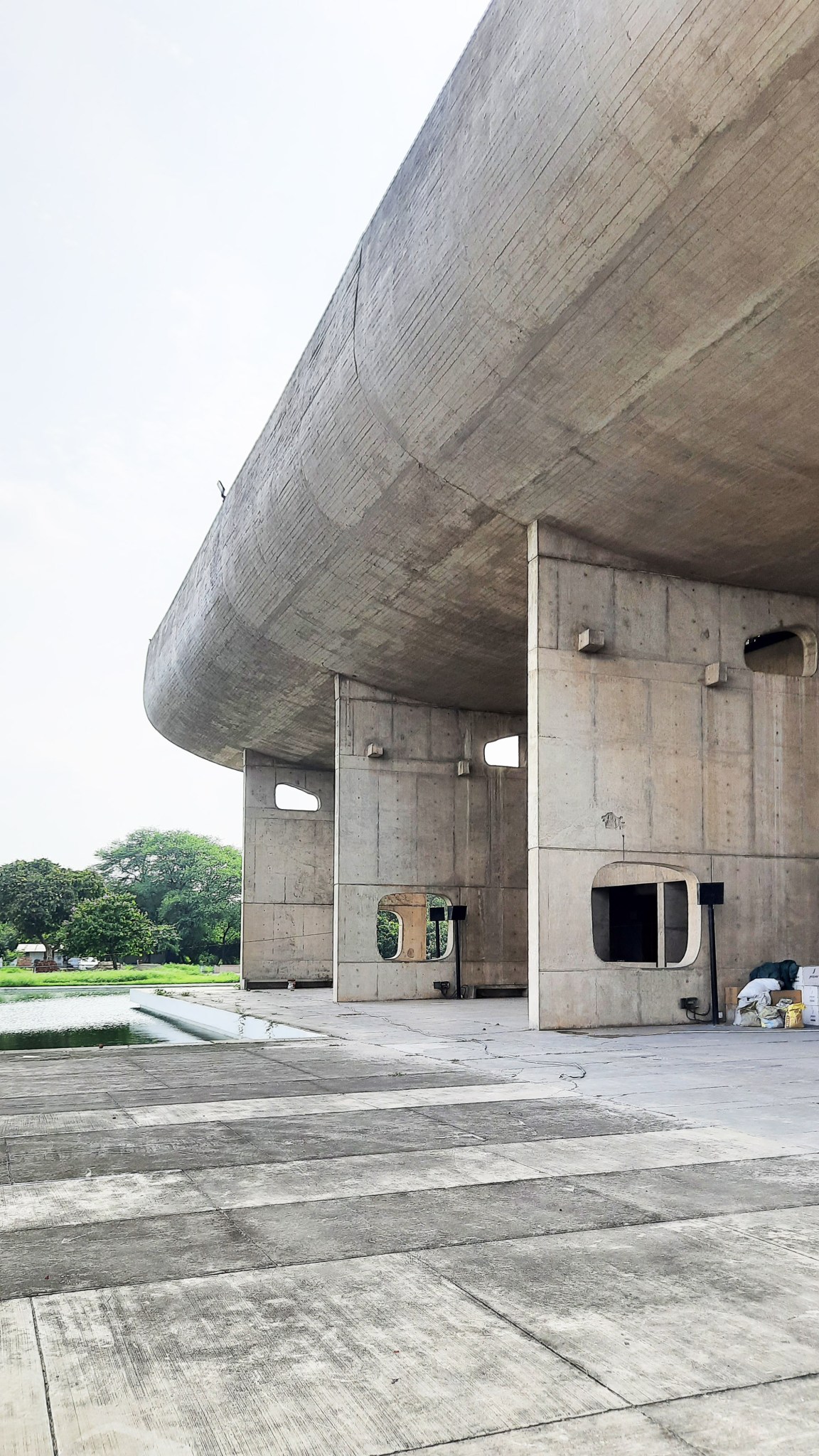
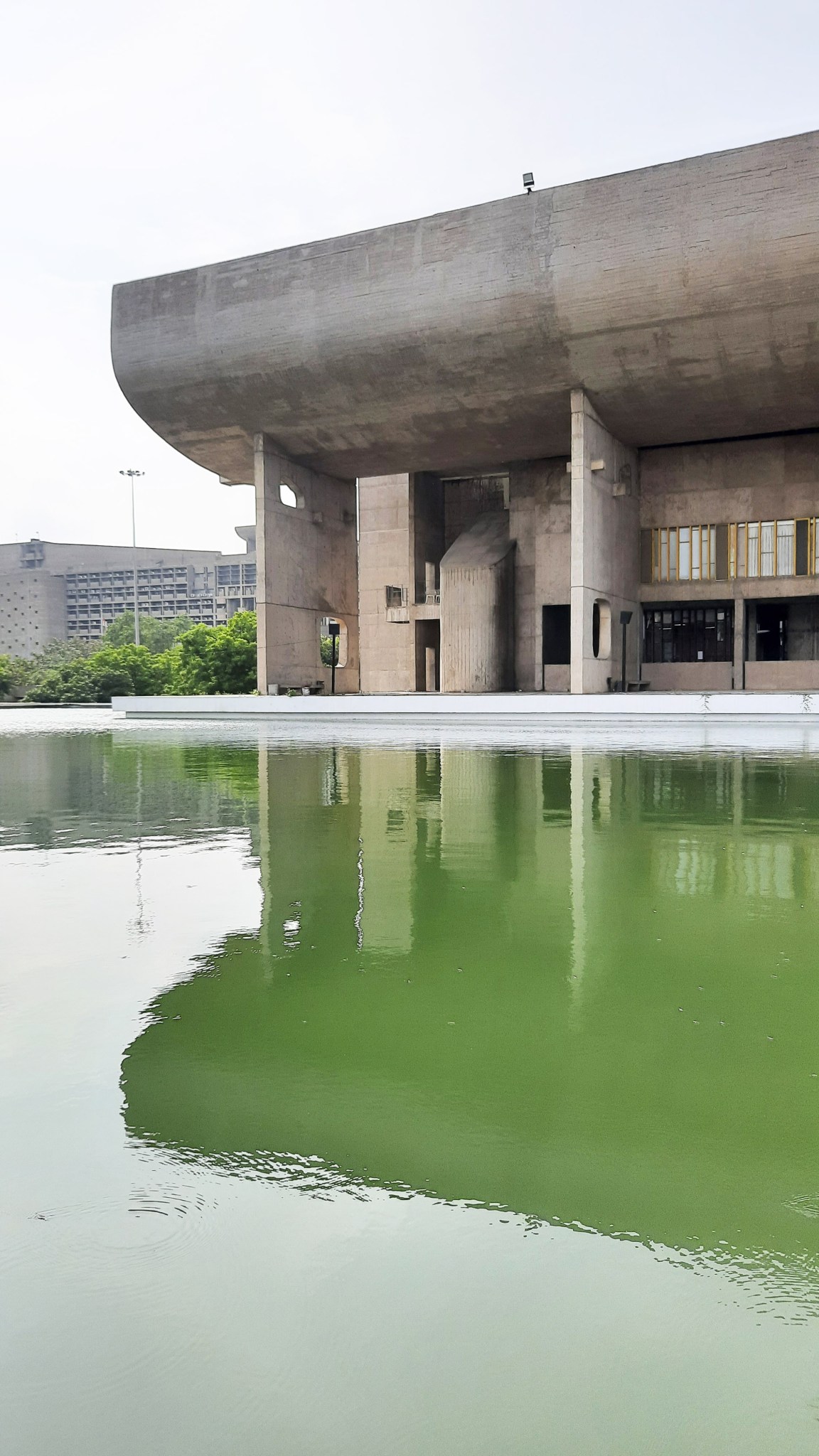
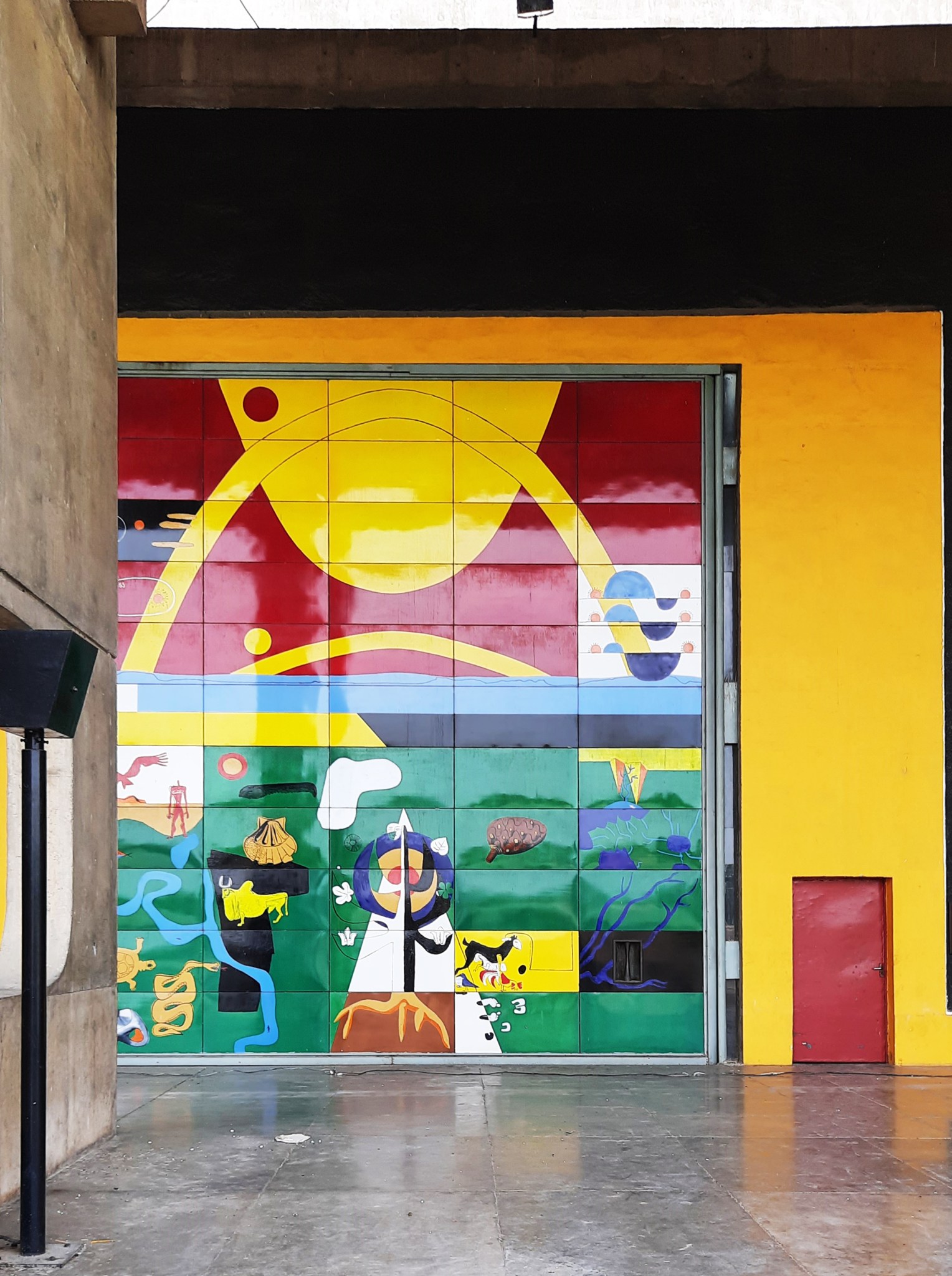
The Capitol Complex










The Government Museum and Art Gallery
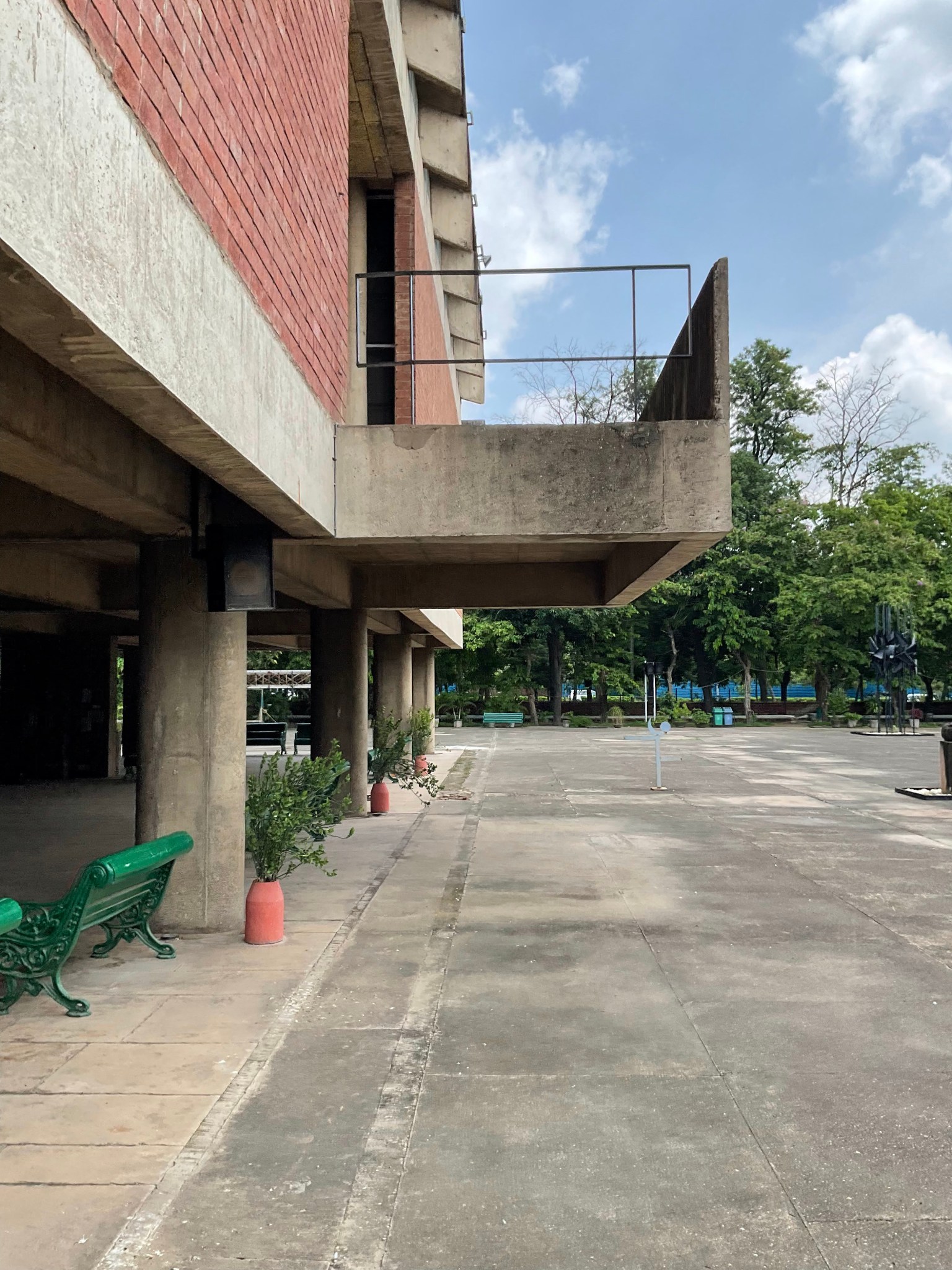
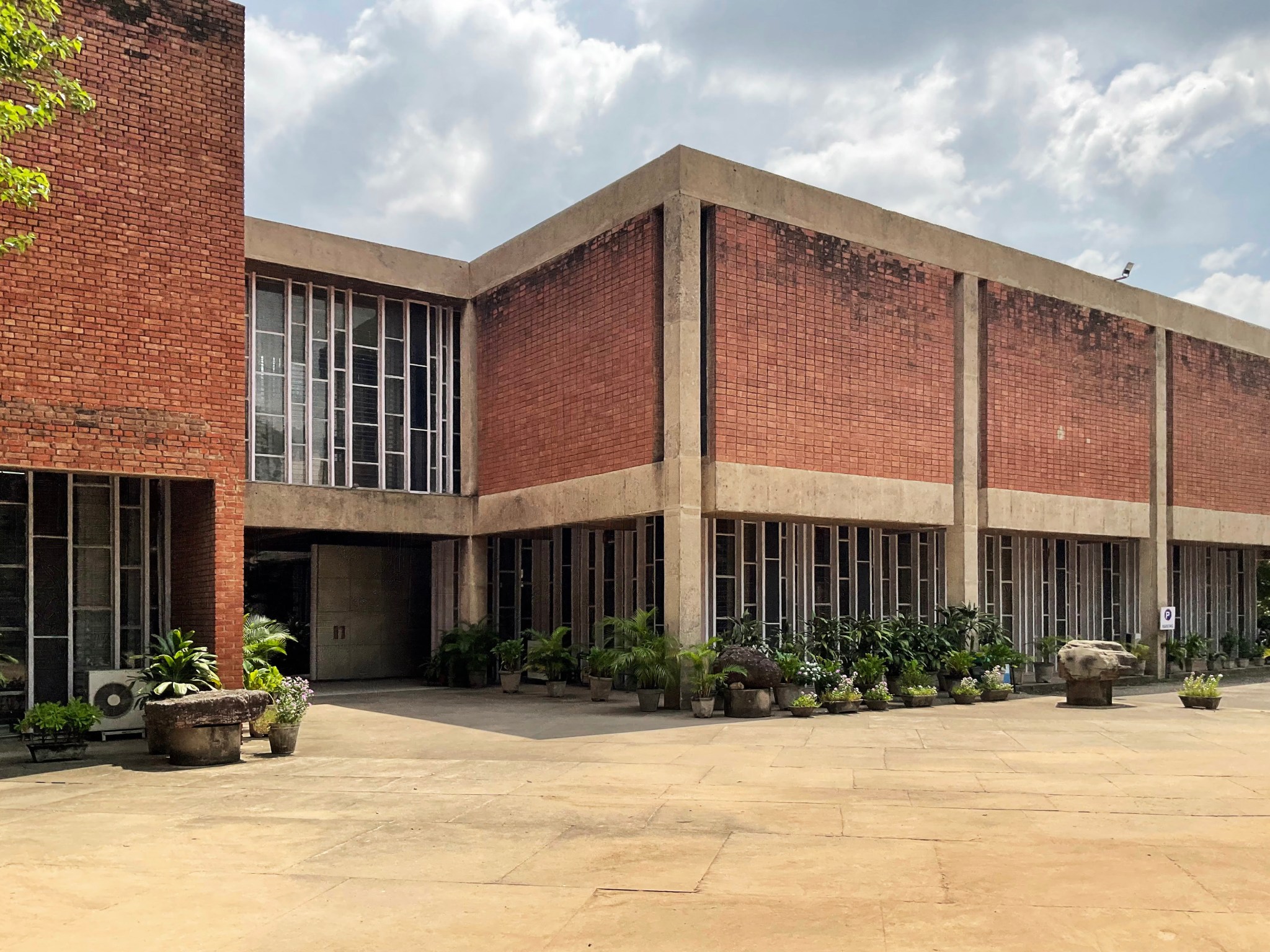
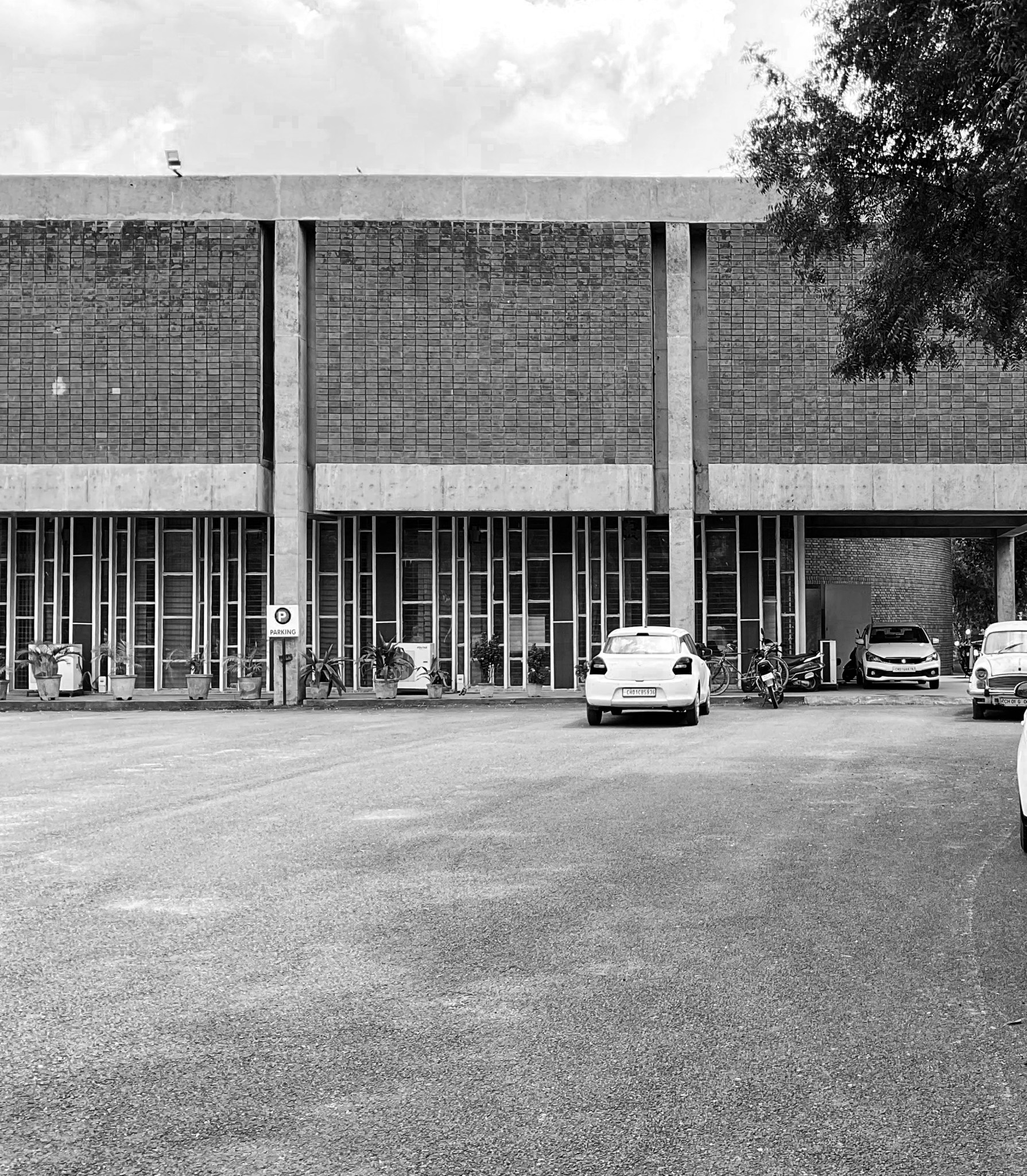
This building is also designed by Le Corbusier. Another example of modernist architecture, it is characterized by its simple and functional design, minimal ornamentation, and an emphasis on open spaces.
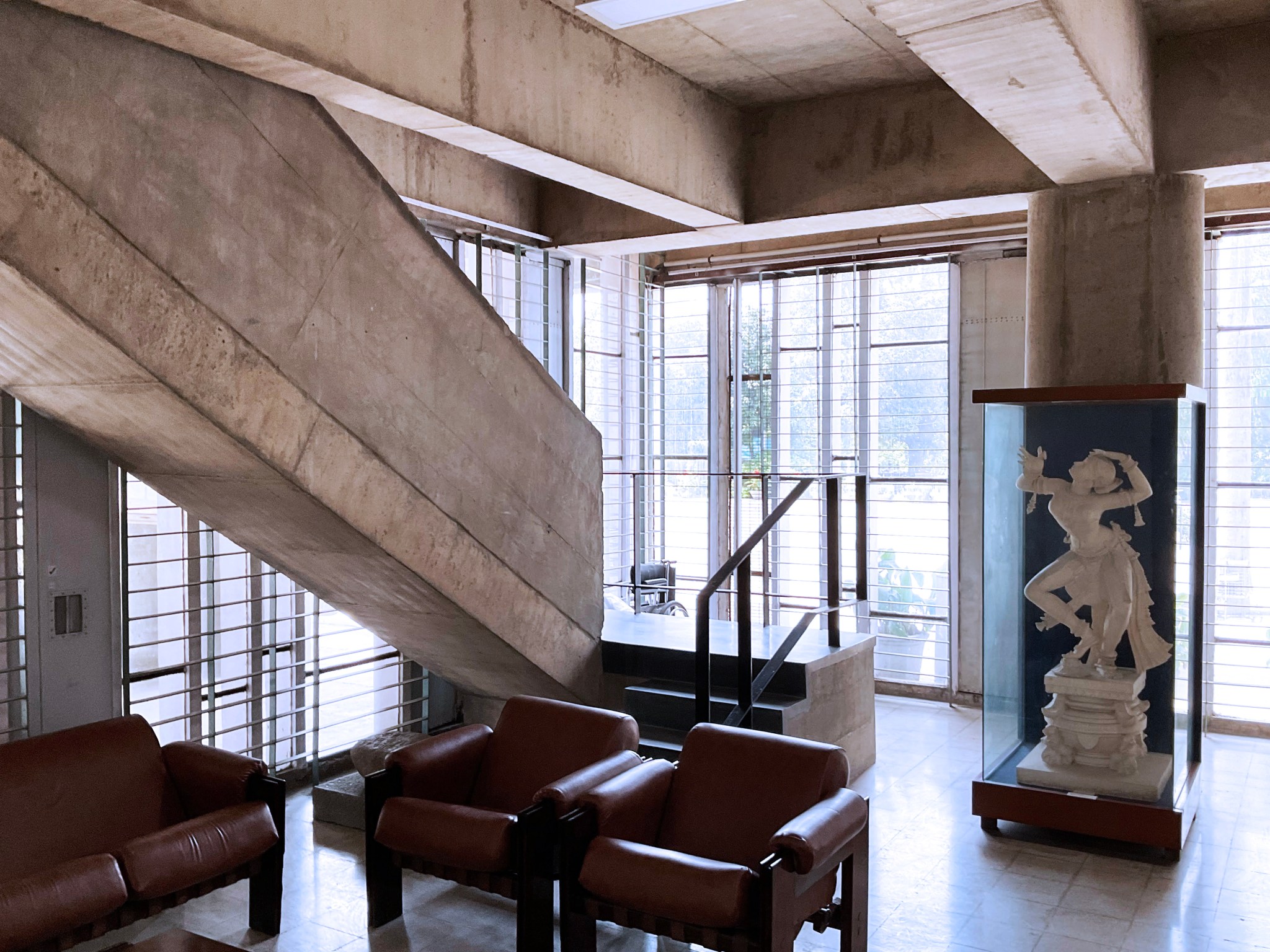
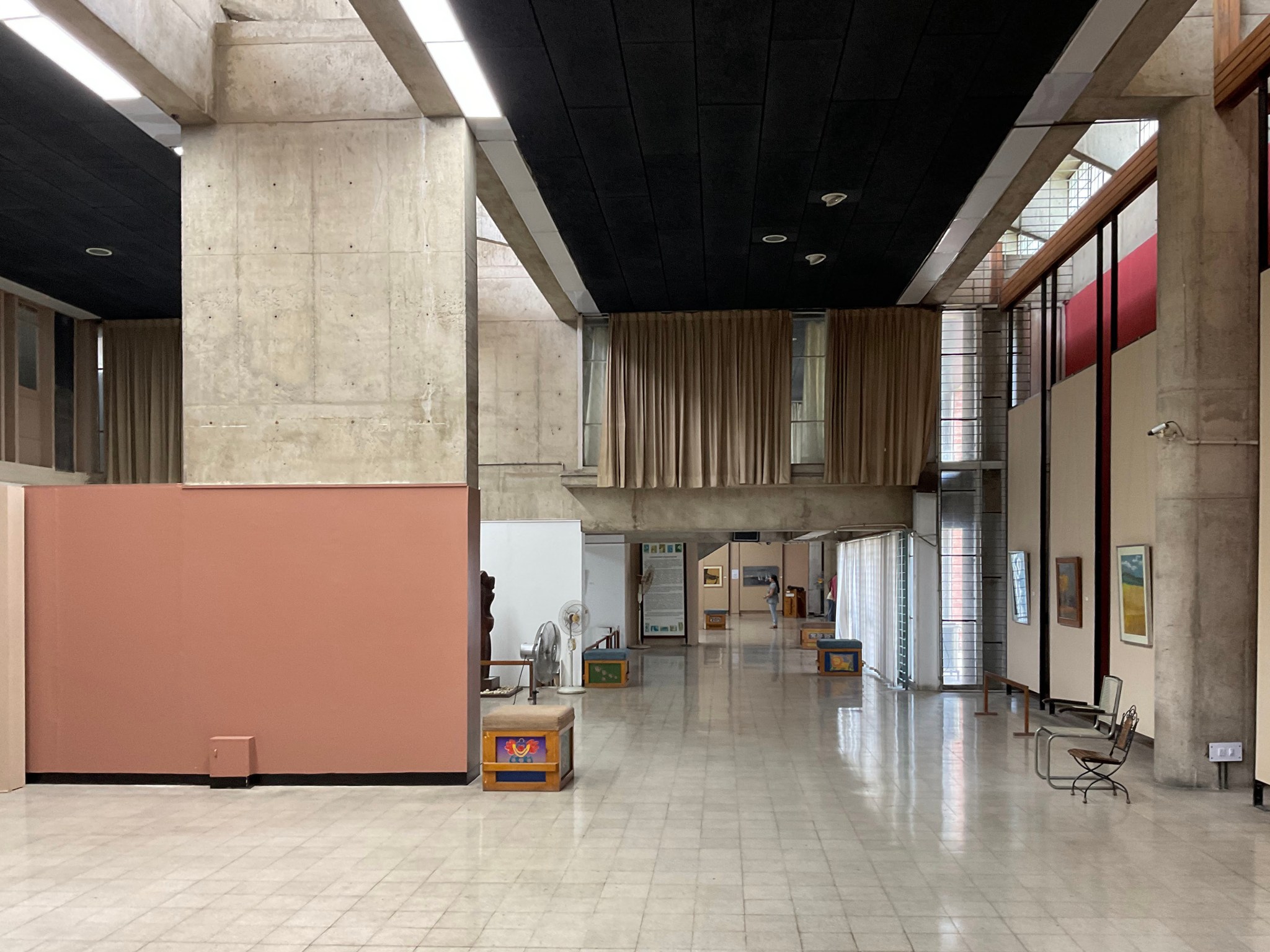
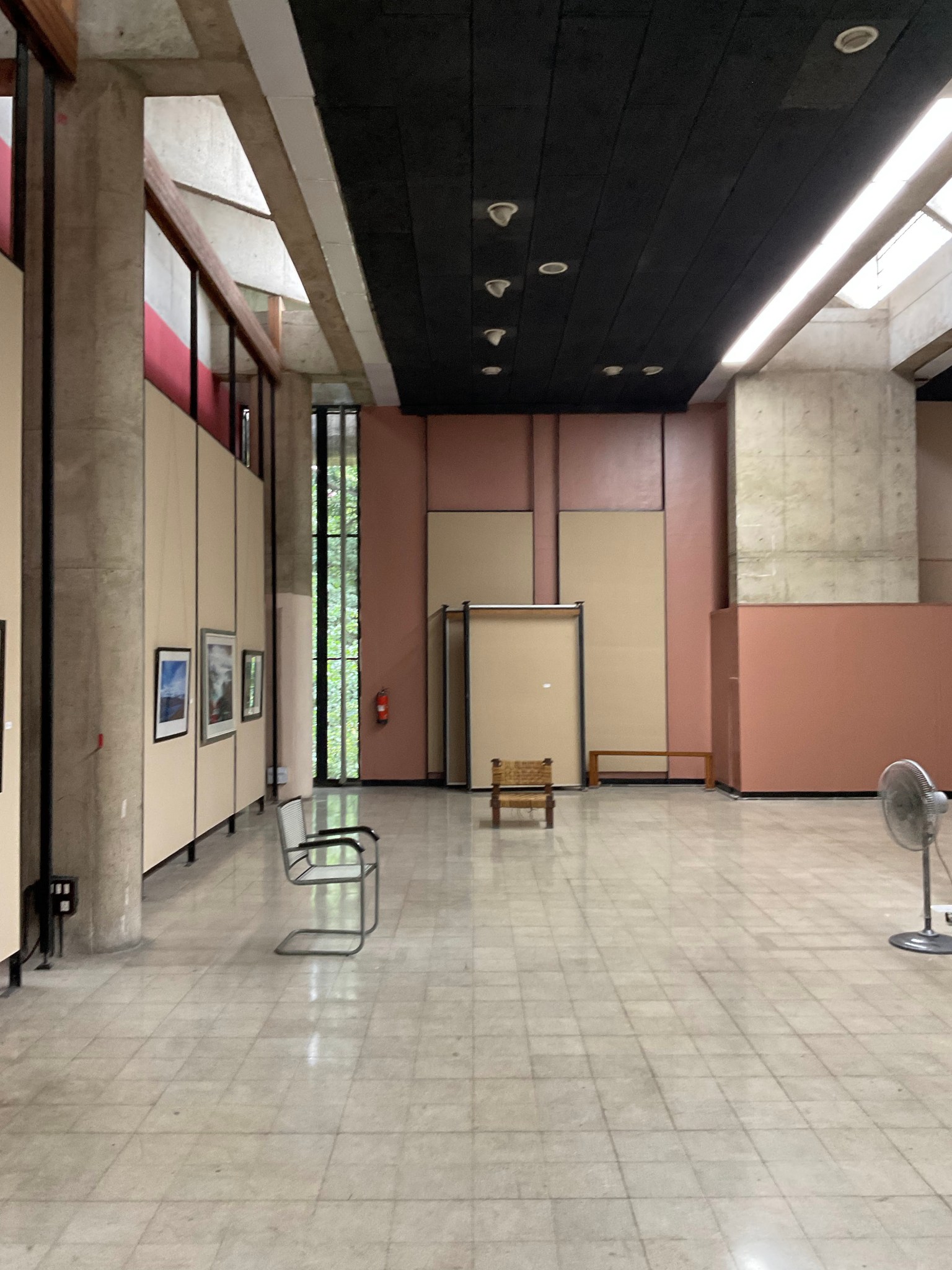
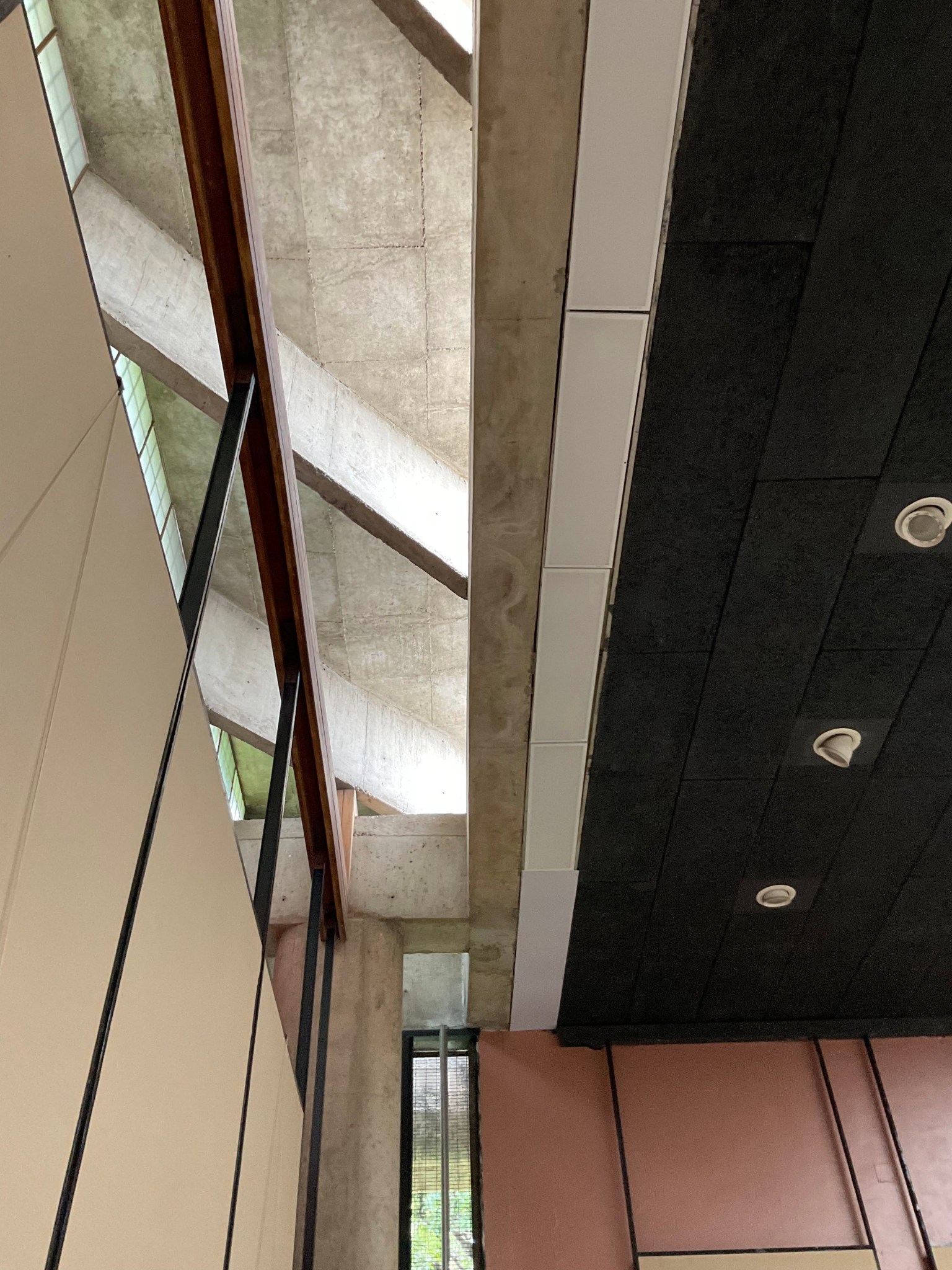
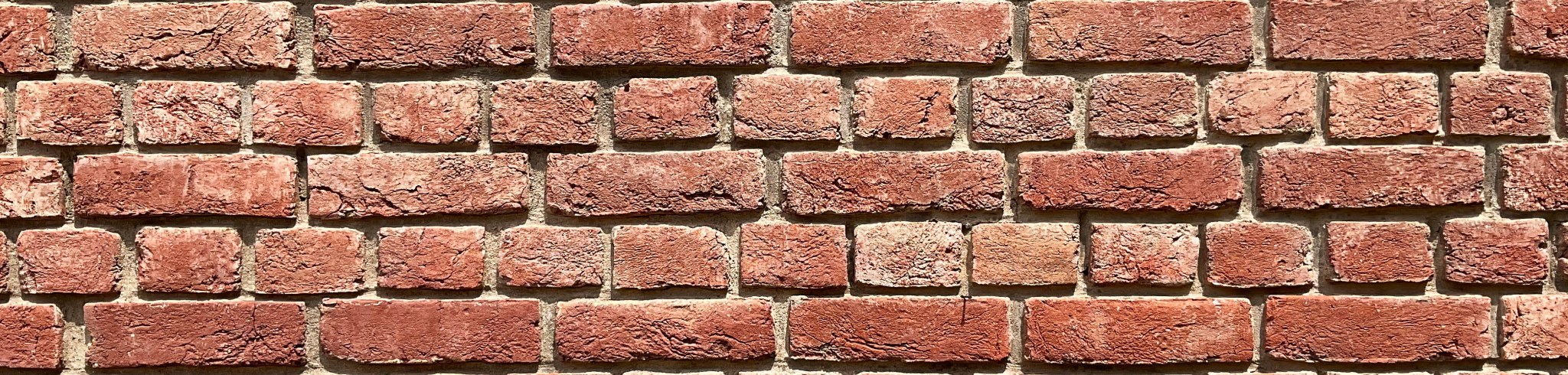
The museum building is spread over two floors, with a total area of 6000 square meters. The façade of the building, like many others in Chandigarh, is made of brick and exposed concrete. The museum is designed in a way that maximizes the use of natural light, with large windows and skylights allowing for natural light to flood in.
The building as it is used now is quite different from the intended plan, with the central double height hall as being the core onto which a viewer can look down into from almost any part of the building
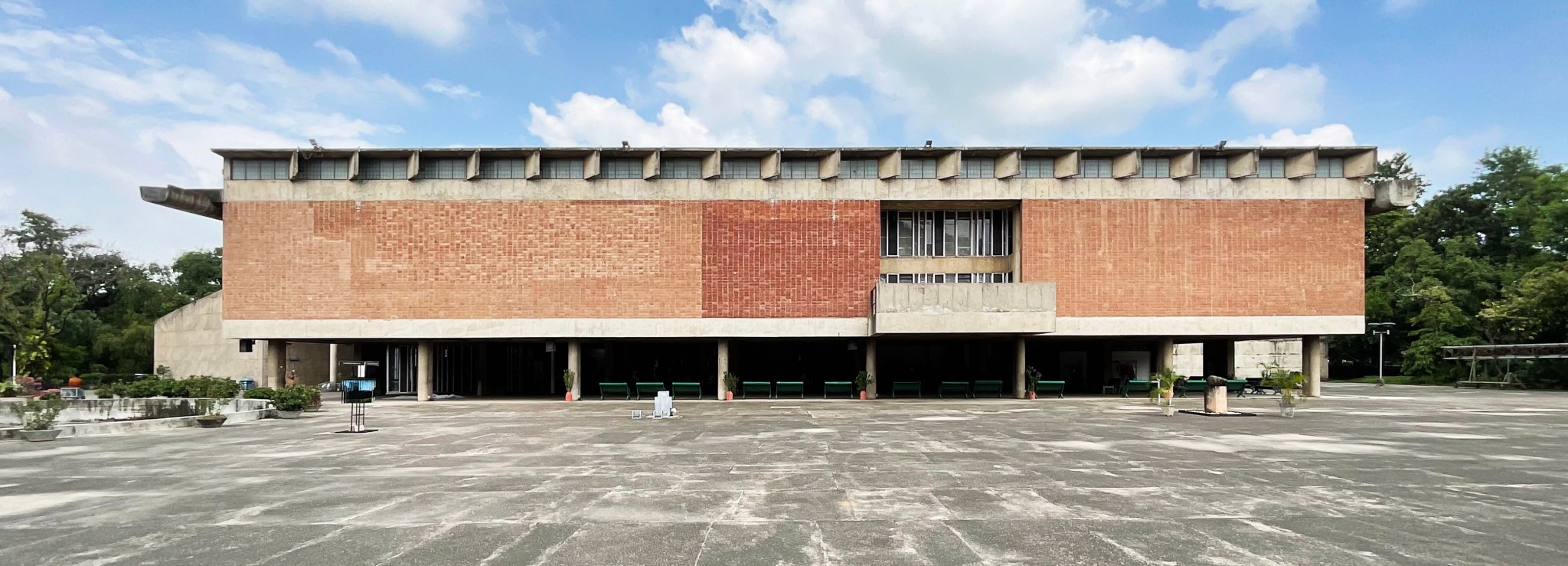
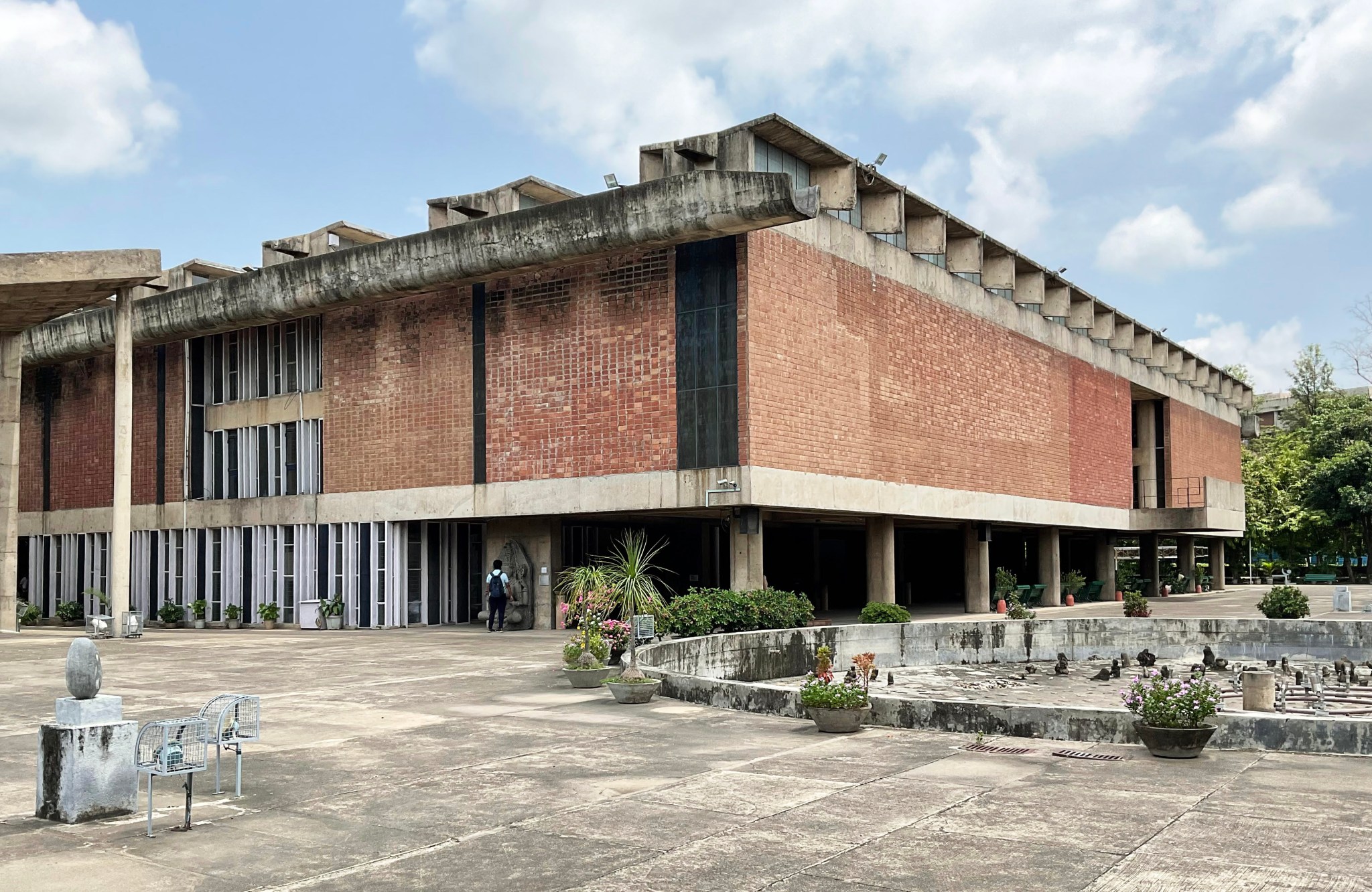
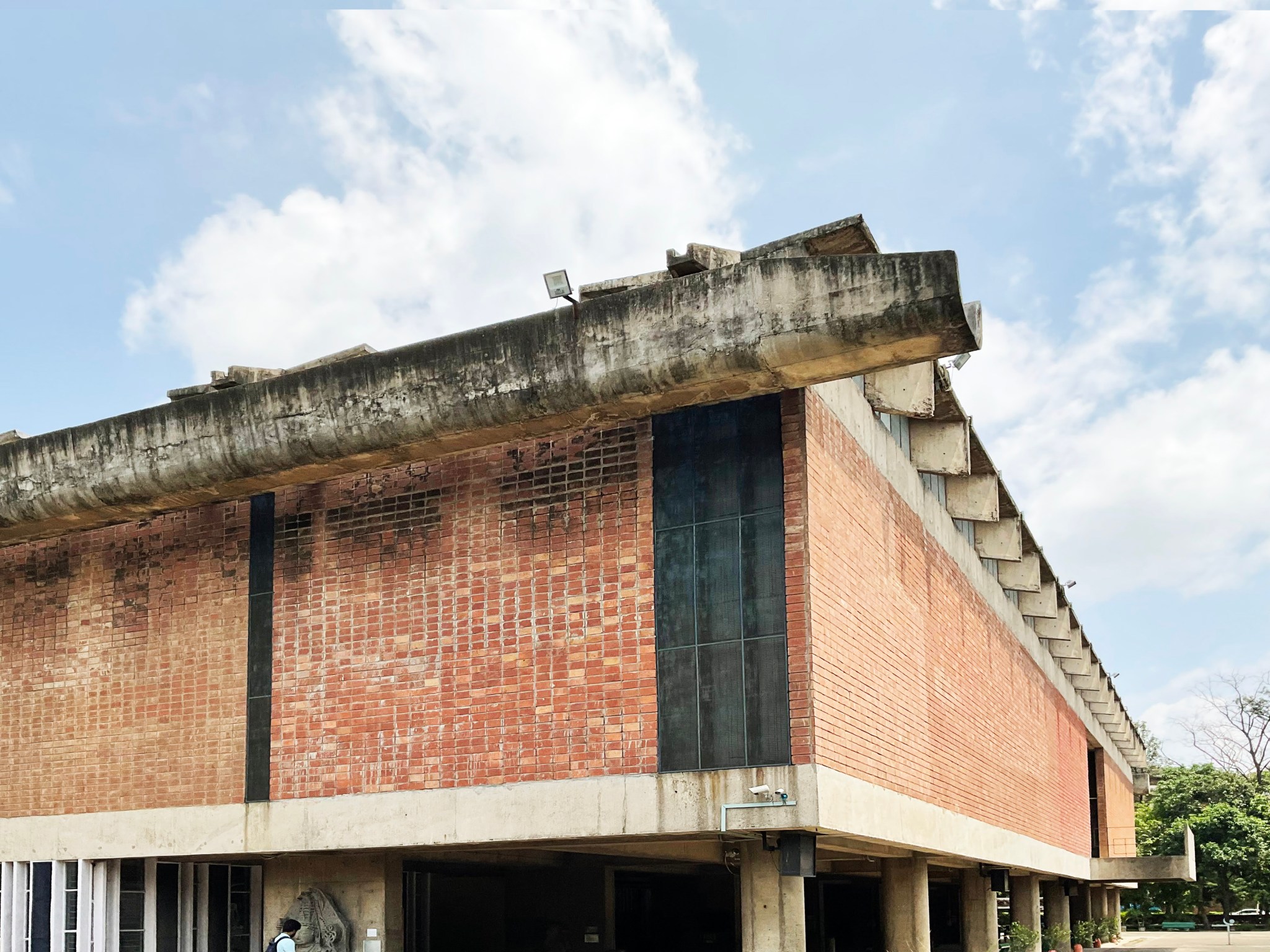


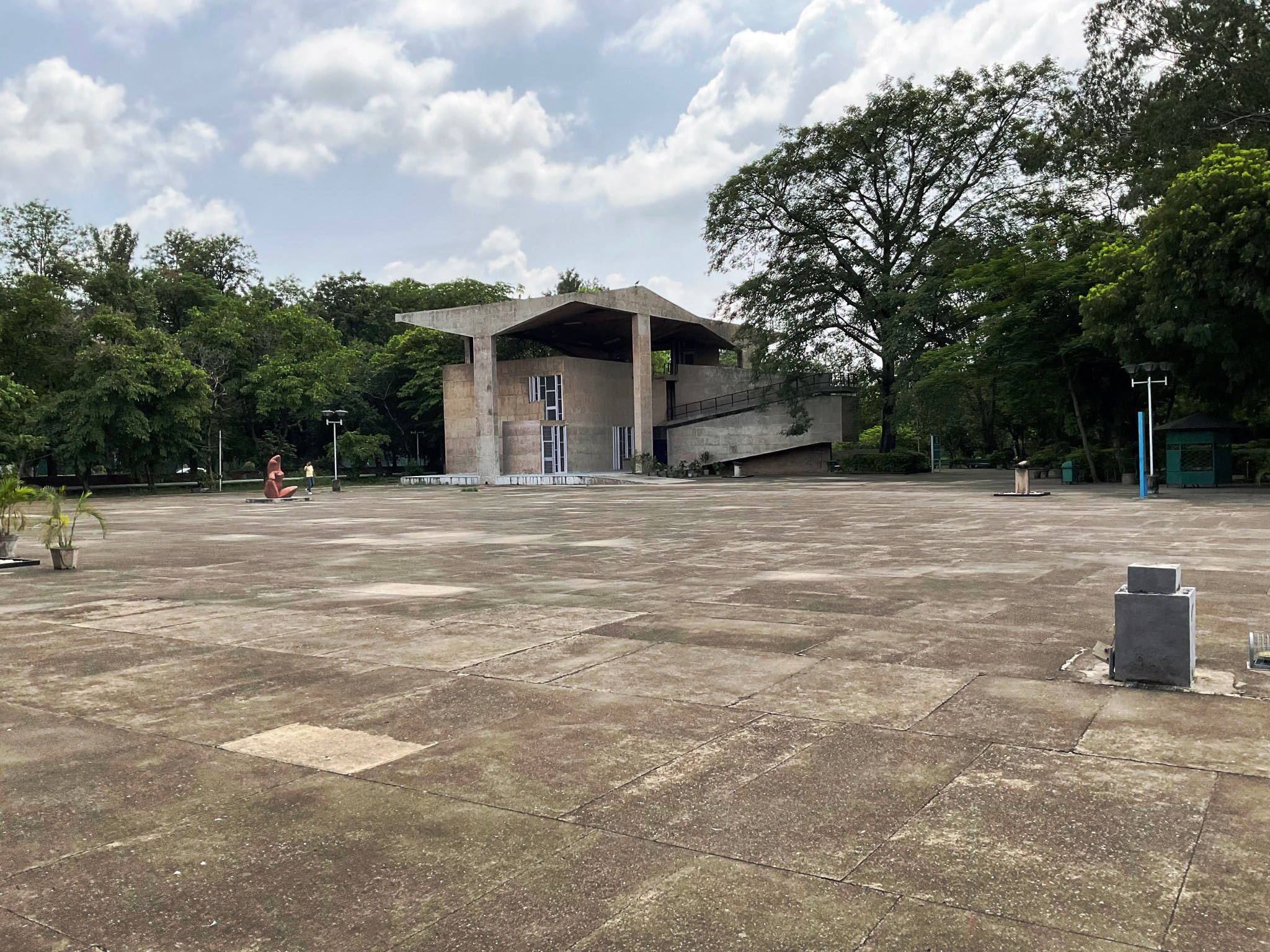

The beginning of the collection can be traced to the partition of India in 1947 when 40% of the collection of the Central Museum, Lahore became the share of the country. A significant part of this share was the Gandhara sculptures. The collections received in April 1949 from Pakistan were first housed in Amritsar, then Shimla, Patiala and were finally shifted to Chandigarh upon the inauguration of the museum in 1968. Over some time, Dr. M. S. Randhawa added Pahari miniature paintings, modern and Indian contemporary art, so that by the time the collection was displayed in the current building designed by Le Corbusier, it was at par with the leading museums of North India.
Wikipedia page on the museum
I personally did not focus much on the collection. It was an extremely hot afternoon, and my sole purpose of the Chandigarh trip was more for the architecture than anything else. Next time I hope to be better informed about the other parts of this museum.




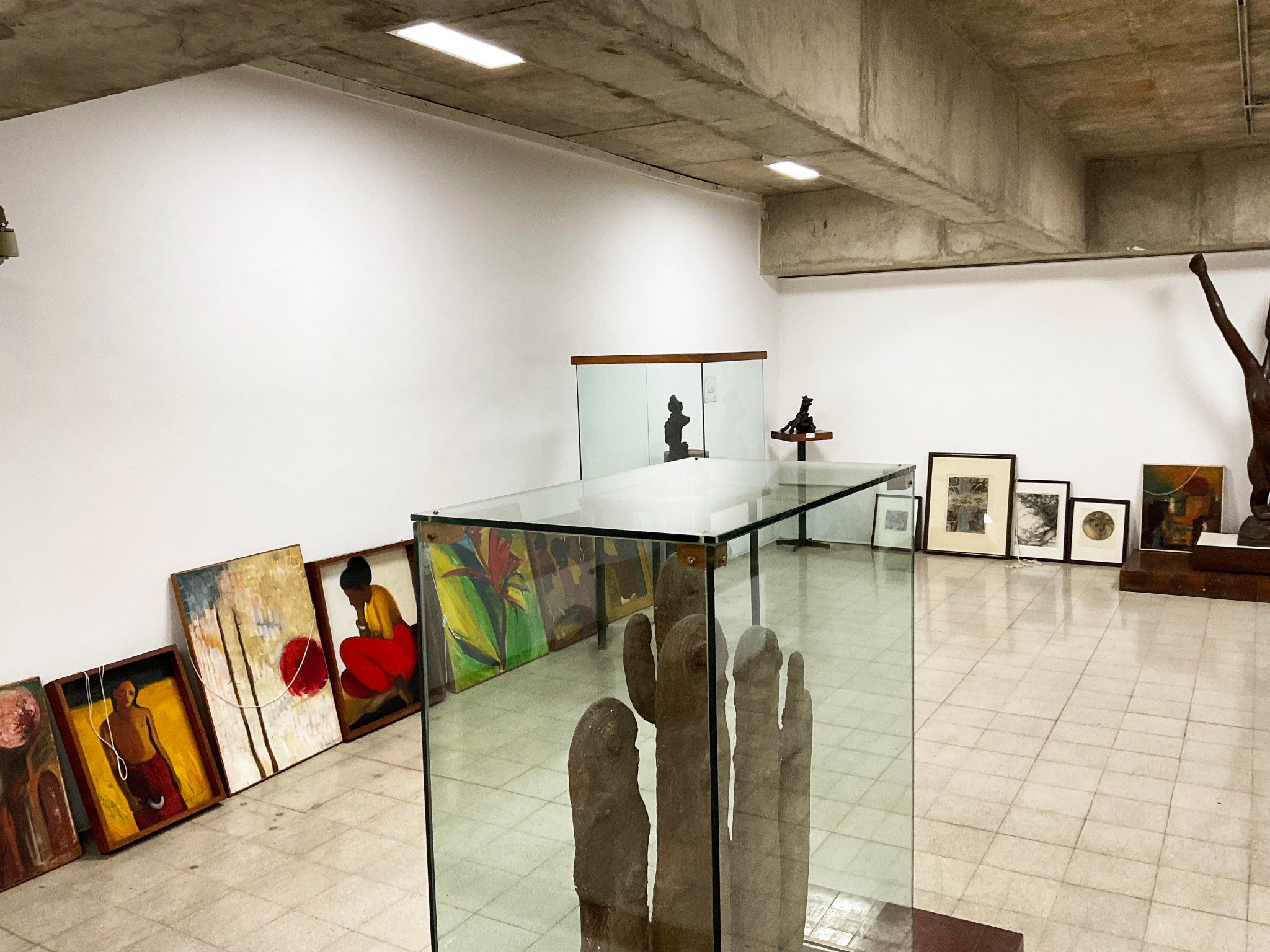


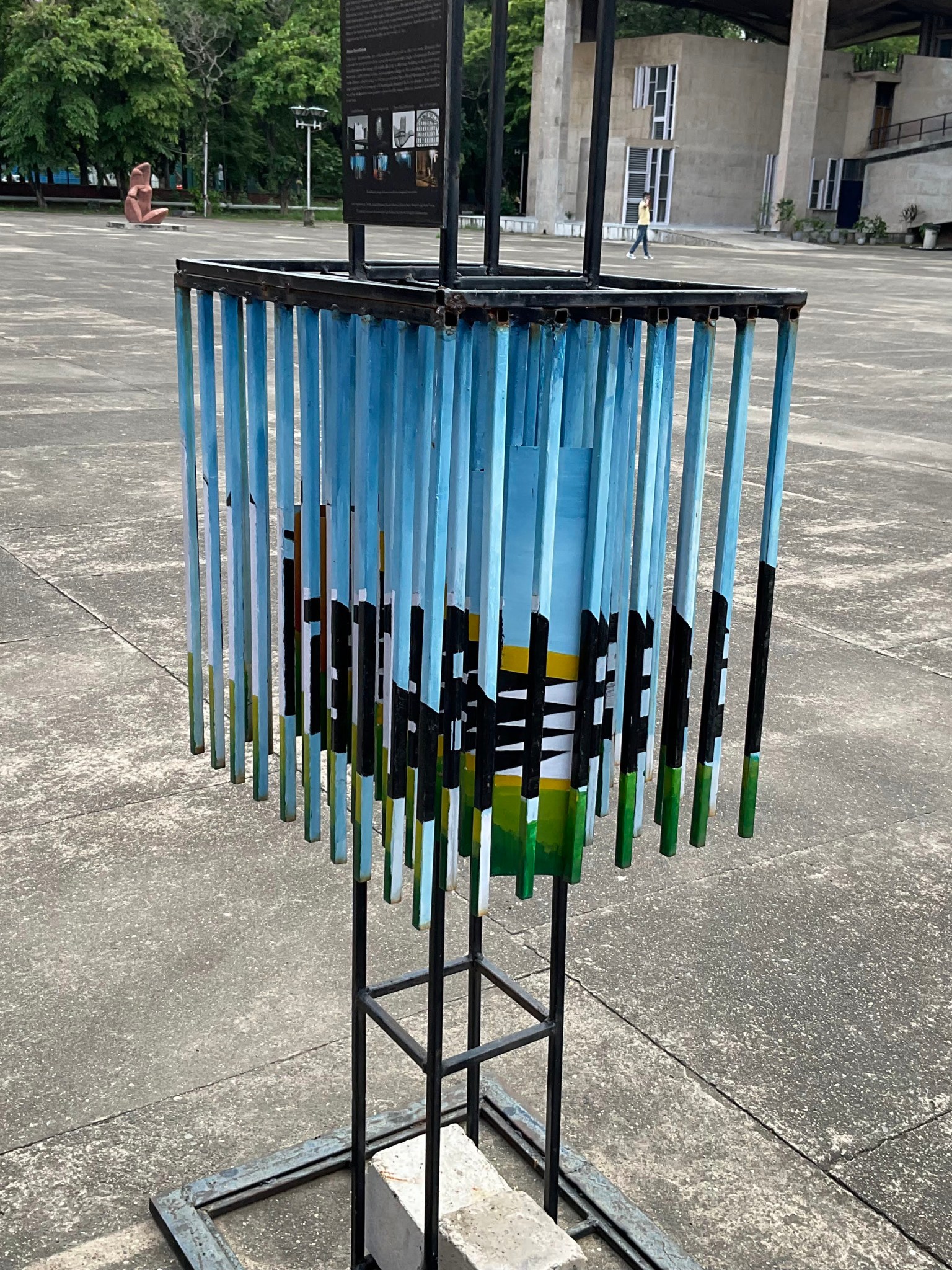
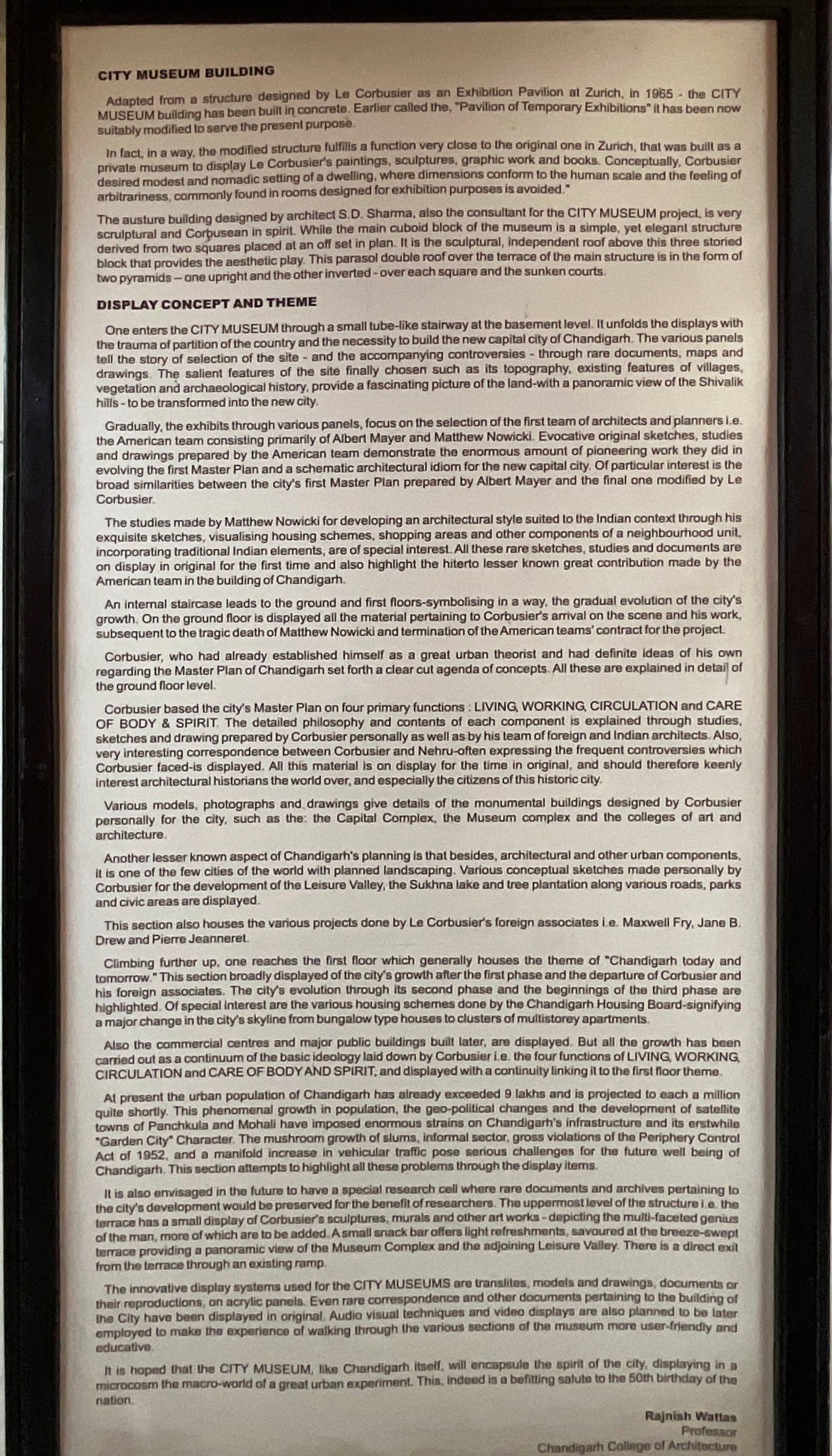
Chandigarh Architecture Museum
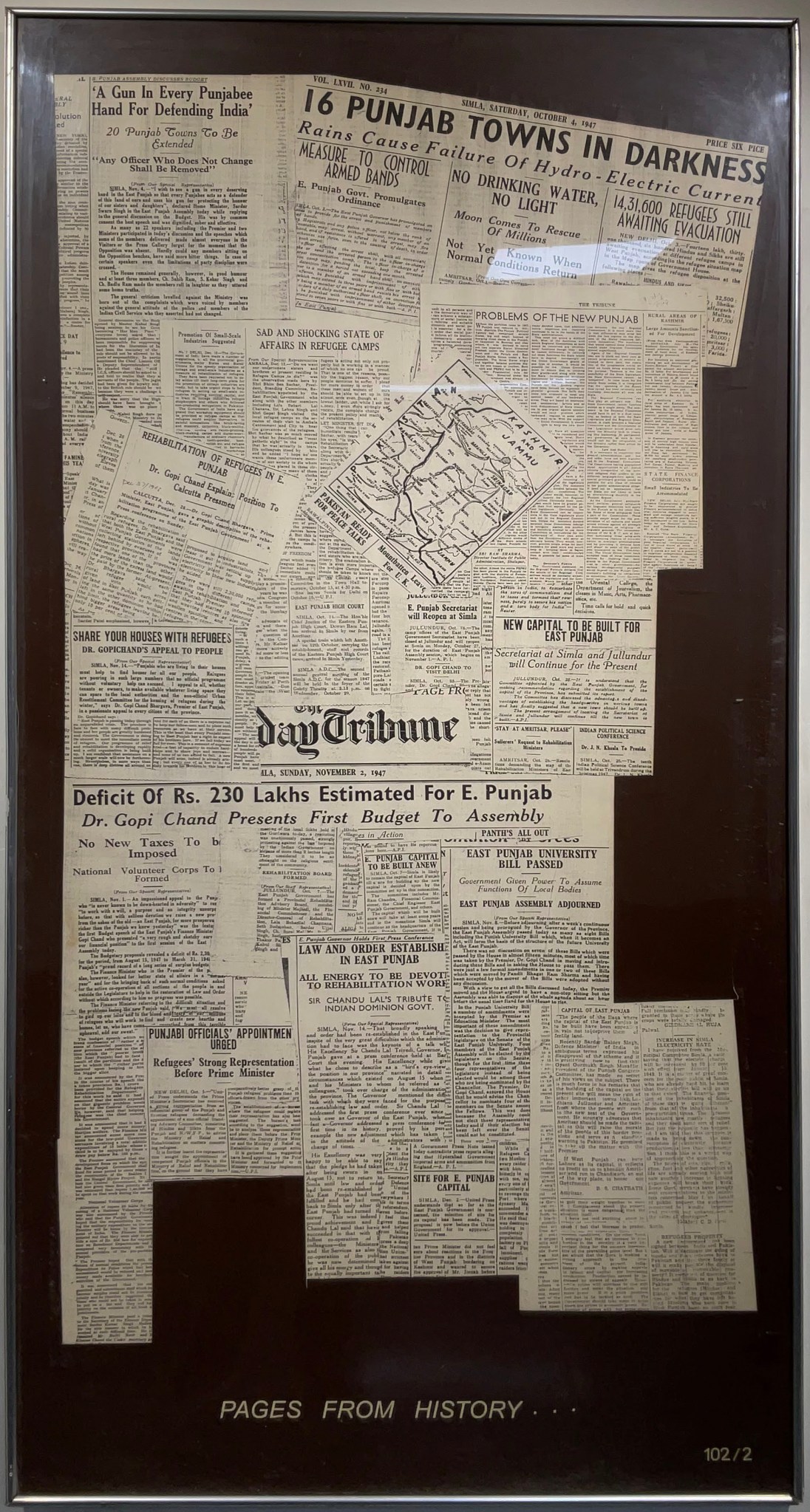
The Architecture Museum located across from the Art Gallery within the complex was set up in 1997. It documents, preserves and showcases rare documents, drawings, sketches and archives about the making of the city of Chandigarh. Many drawings, sketches, and other works of Maciej Nowicki, Albert Mayer, Le Corbusier, Jane Drew, Maxwell Fry and Pierre Jeanneret relating to the city of Chandigarh are preserved and displayed here. Models of the Governor’s Palace and Museum of Knowledge, which were designed by Le Corbusier to be part of the Capitol Complex but never built, heritage furniture designed and used by the architects, and early maps of post-partition East Punjab and Chandigarh are also on display.
Wikipedia





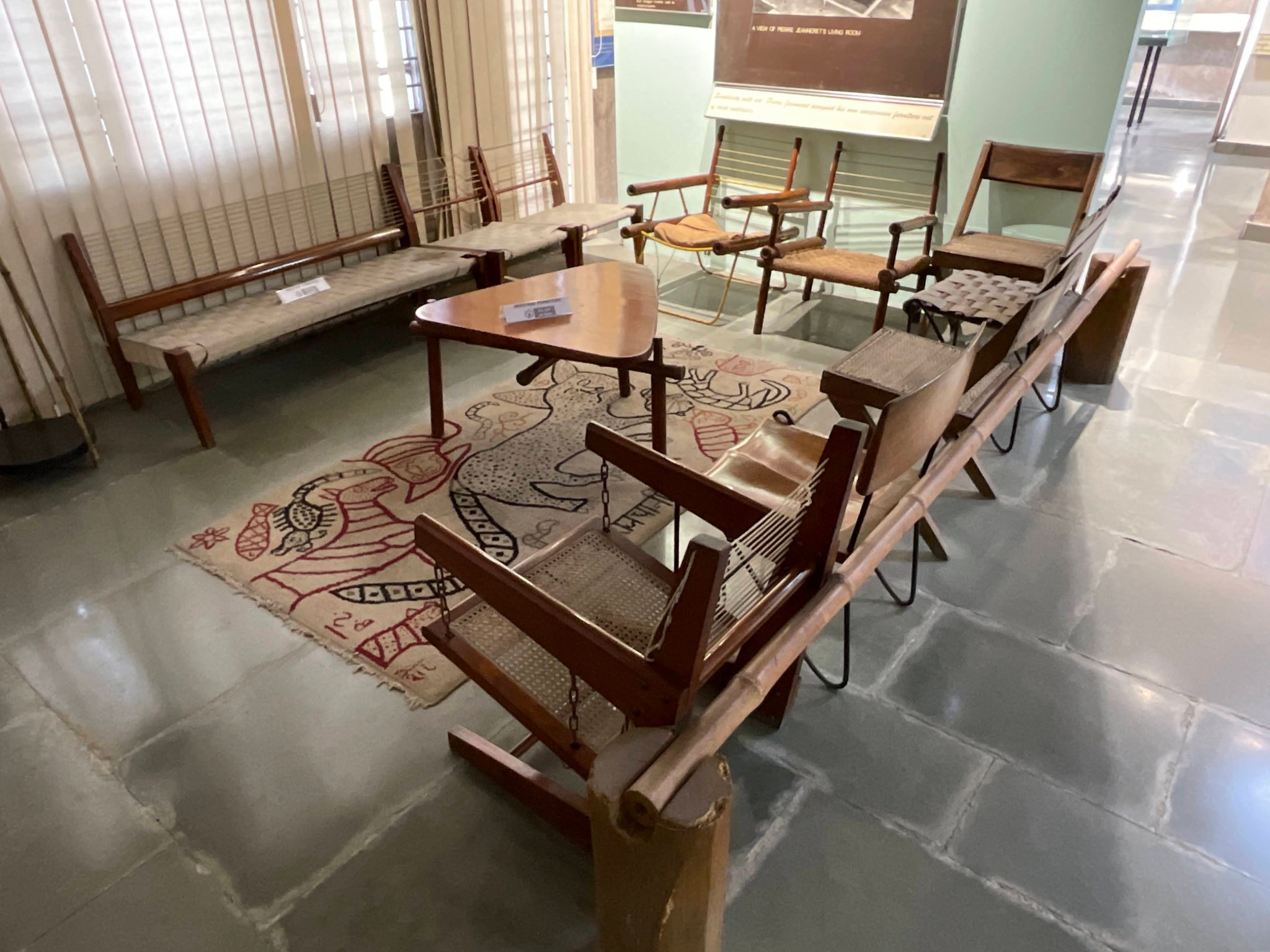



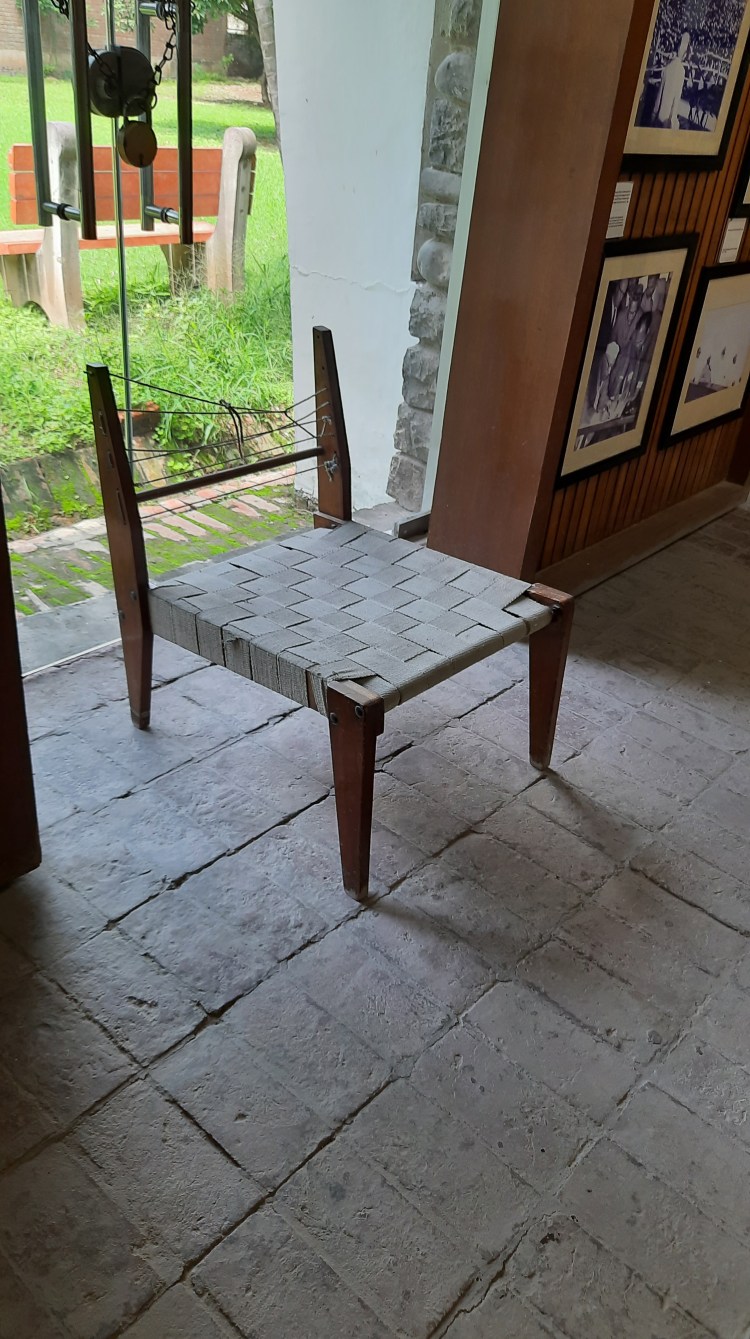
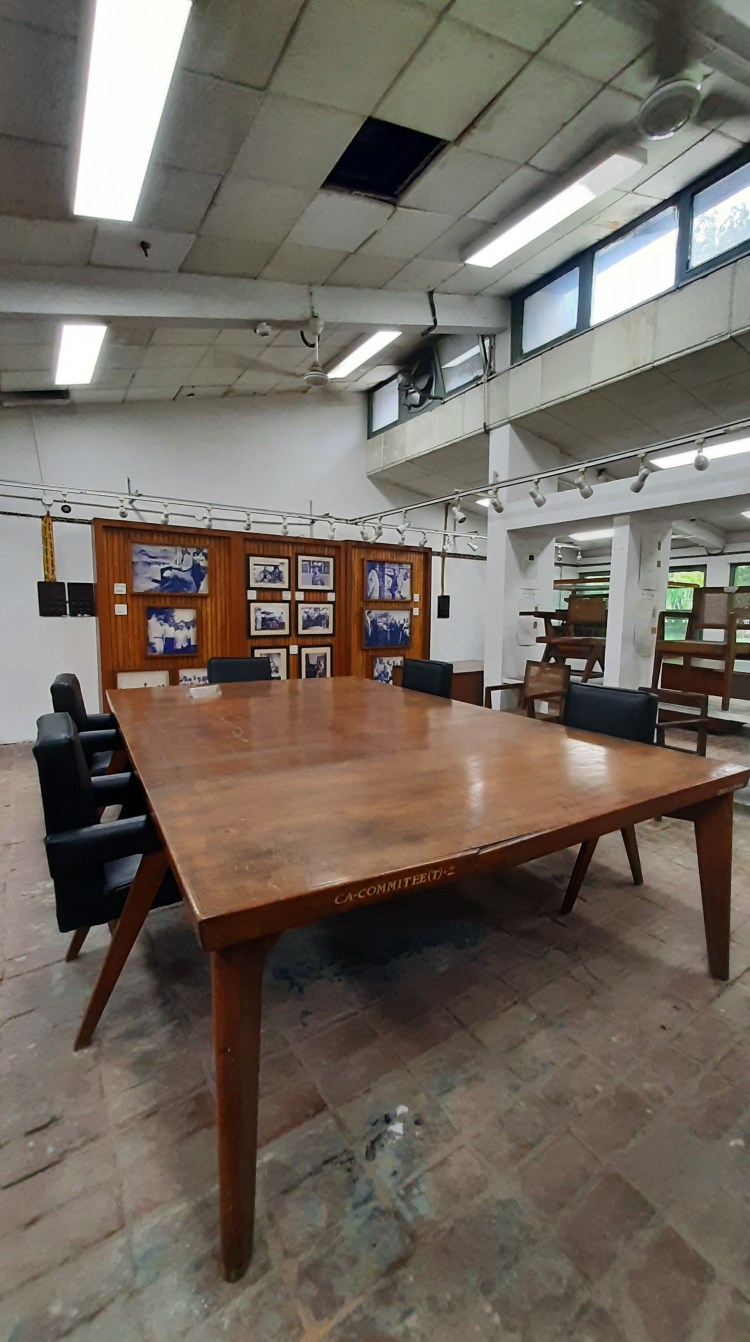
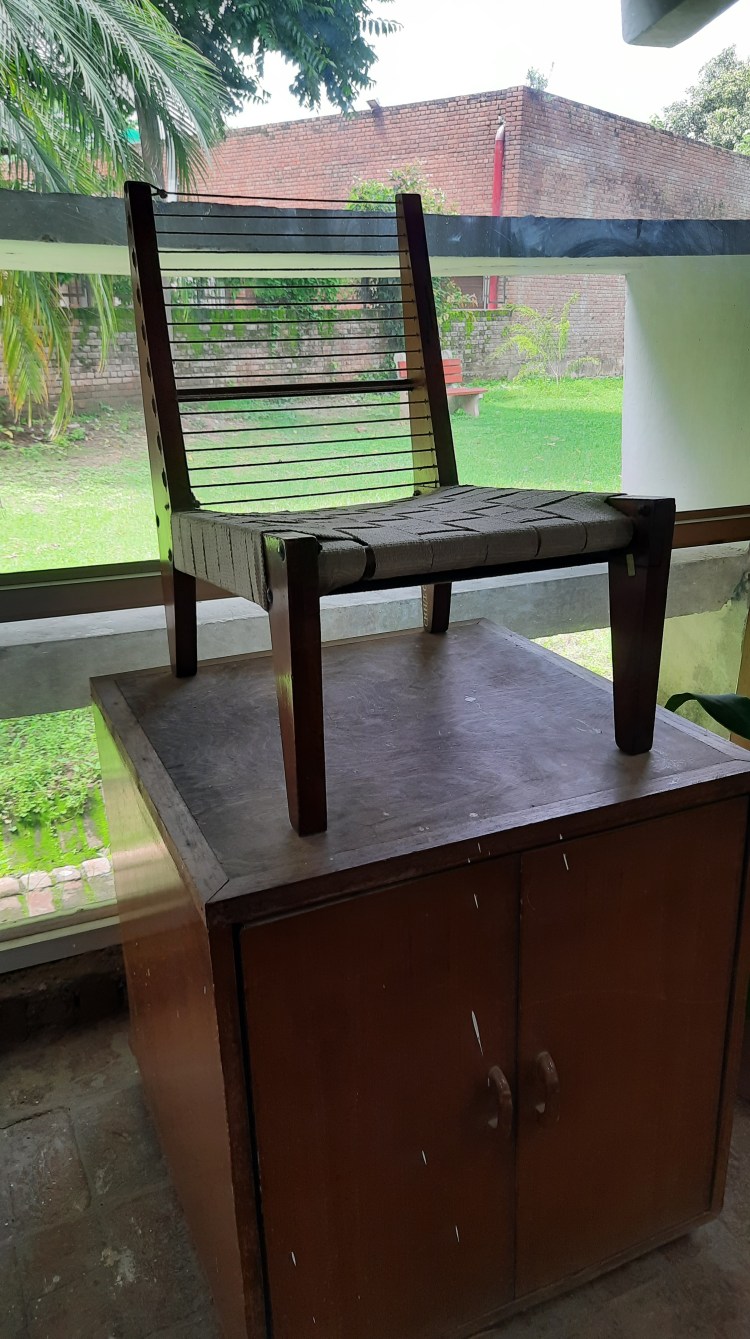
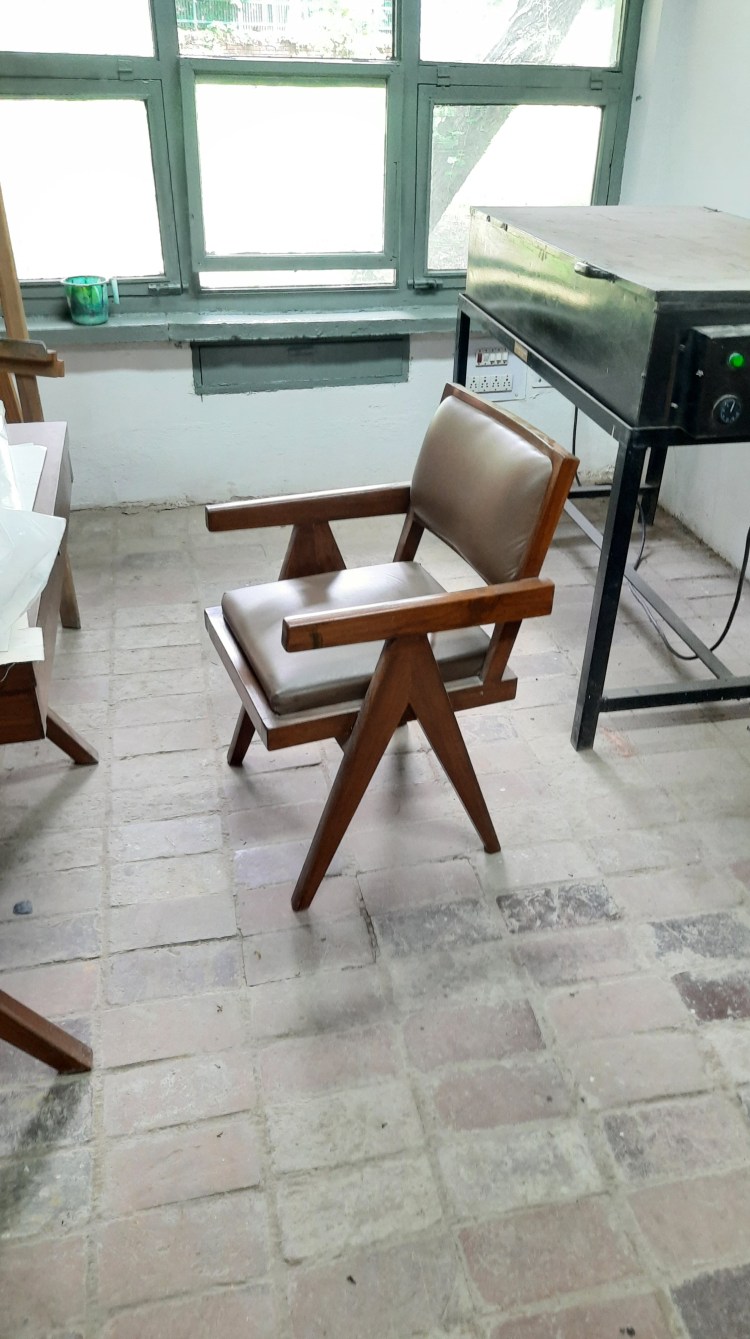
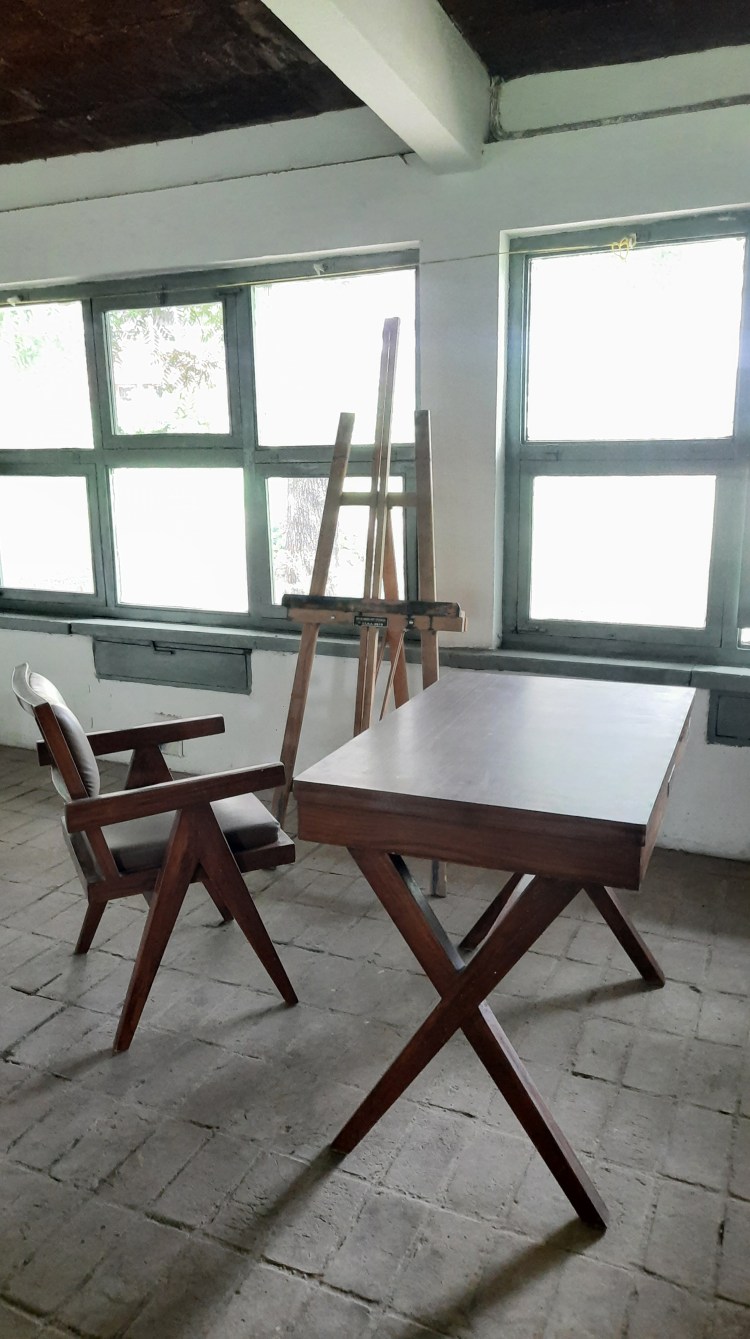
Furniture designed and used by the architecture teams during the design and execution of the Chandigarh project. Some of these pieces have now become iconic designs and can be found in many high-end residences around the world.




LE CORBUSIER CENTER
This building houses a bunch of furniture, documents, and historical items which were utilized by Le Corbusier and his team of architects. The building itself was the one out of which the architects worked during the construction of Chandigarh.




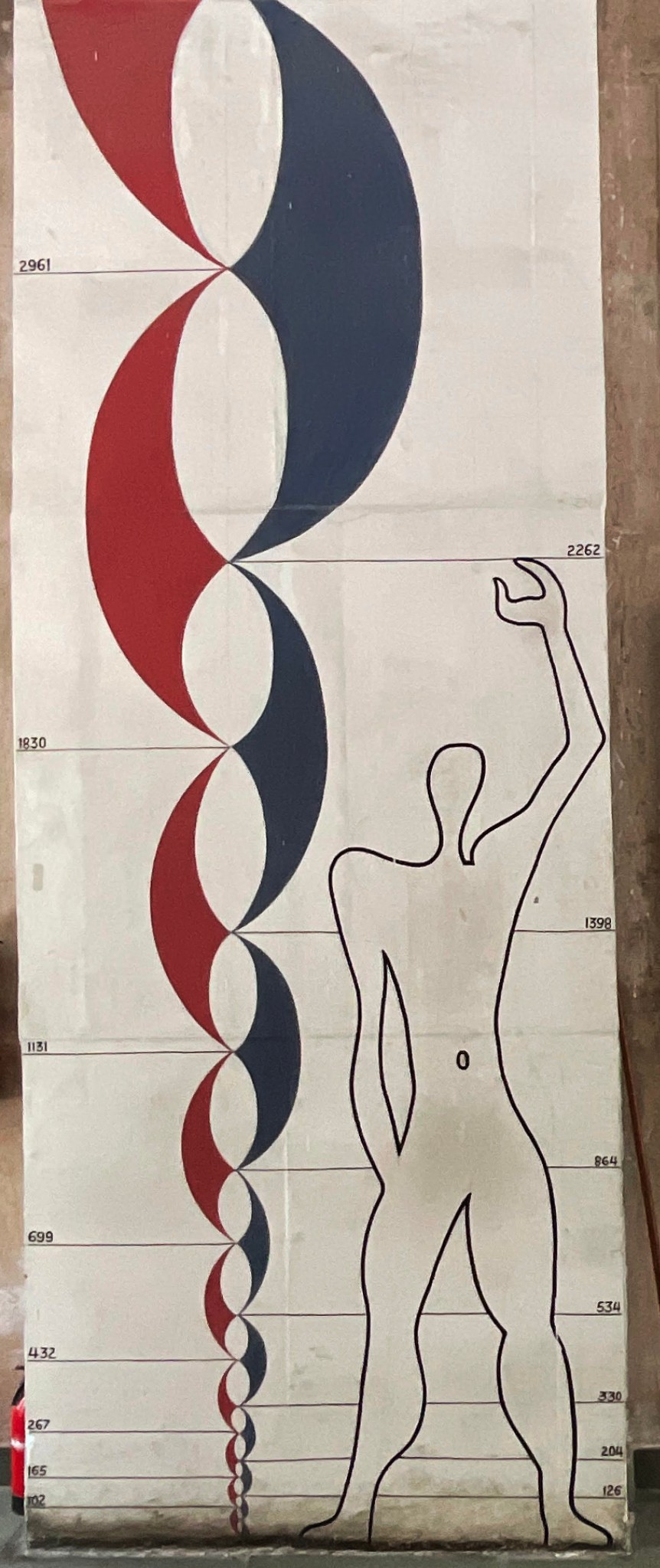
The following images are of various sketches, photographs, and documents that cover the architects’ work and journey in the design of the city.

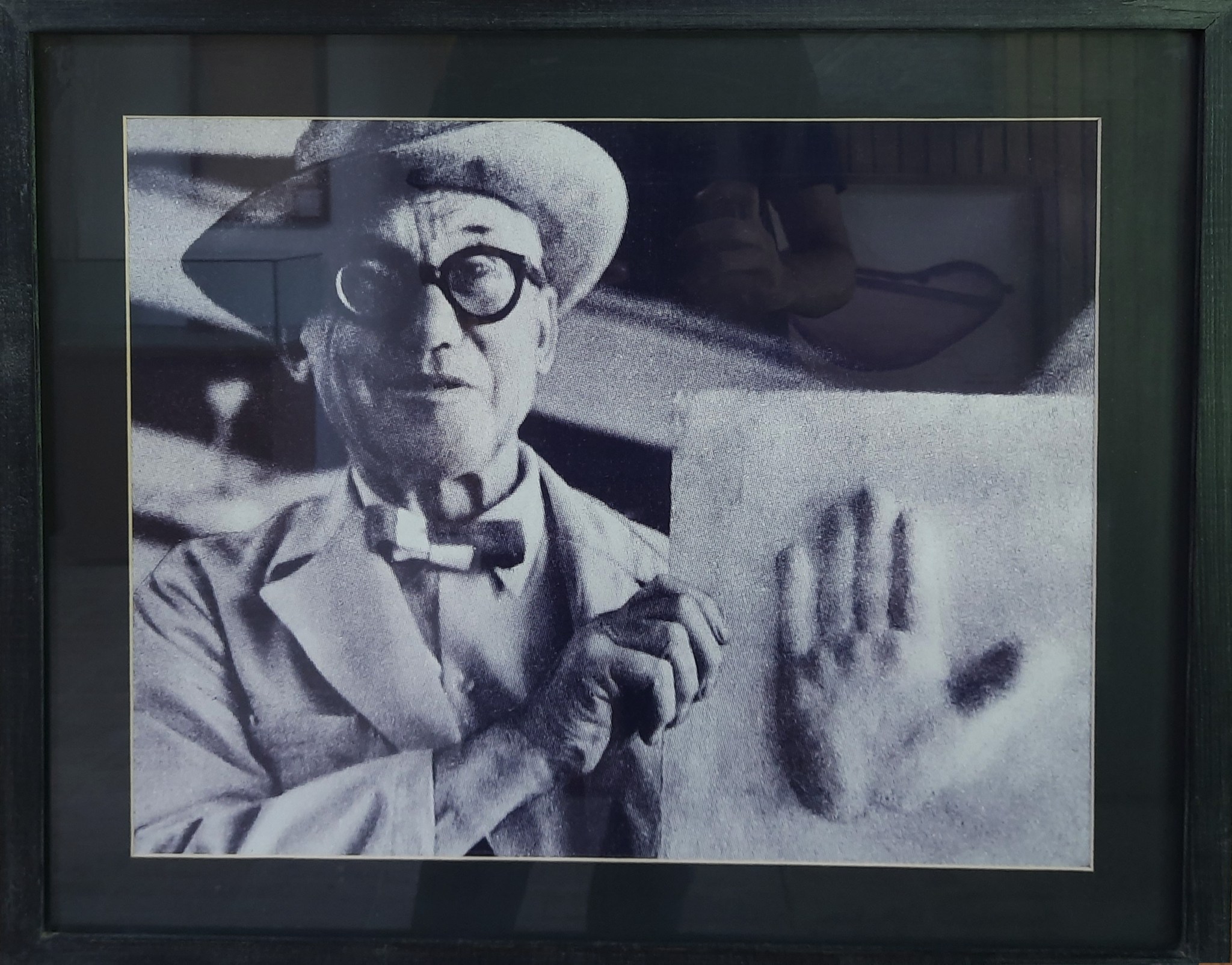
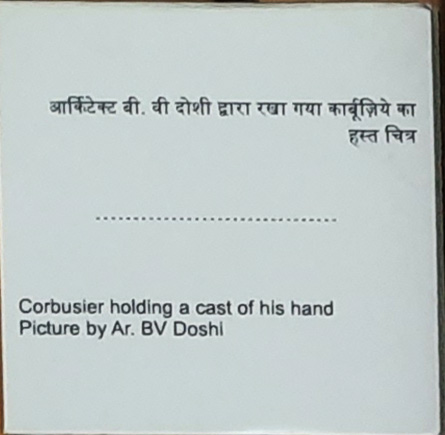
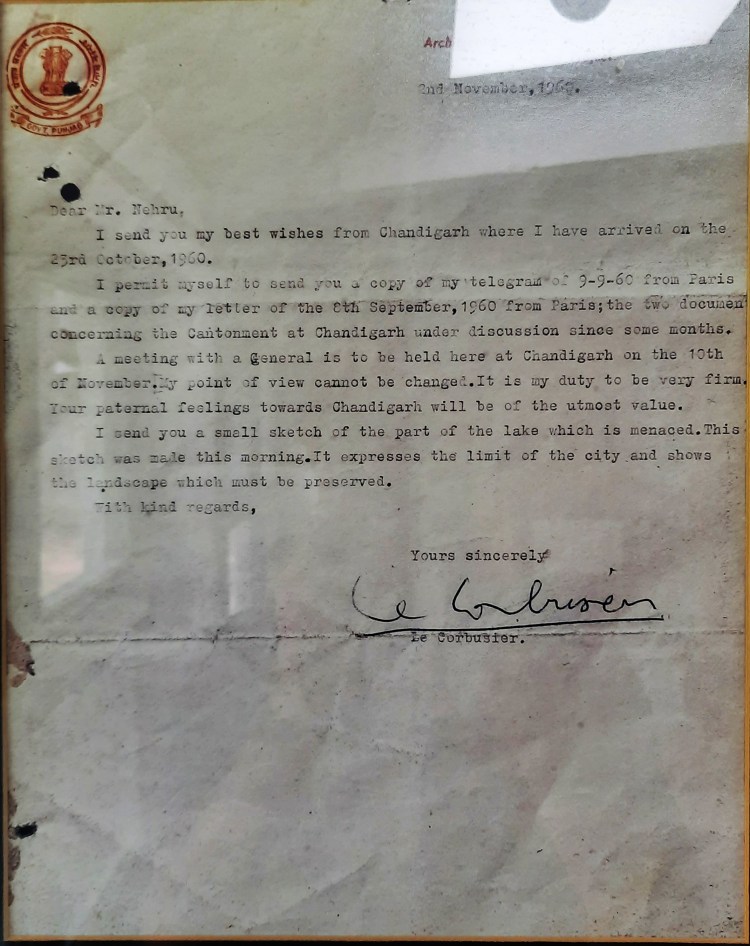
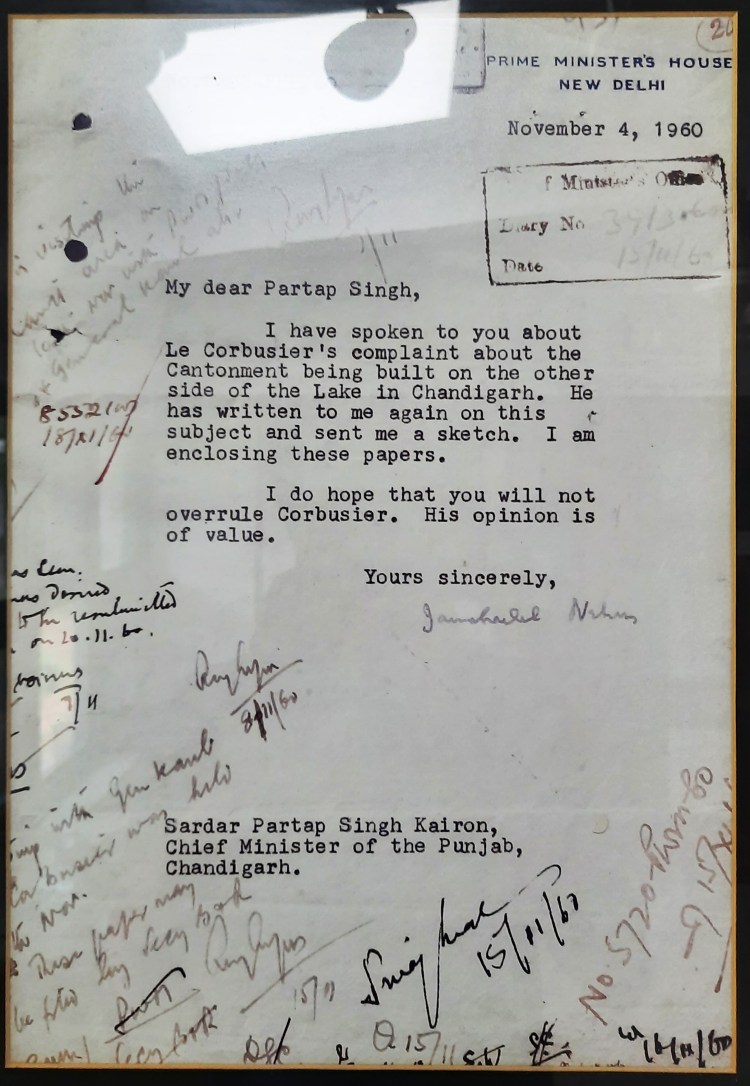
The following images shows the letter from Le Corbusier to Prime Minister Jawaharlal Nehru on being overruled over an architectural proposal, and the supportive letter issued by Nehru to the Chief Minister of Punjab requesting him to follow Corbusier’s advice on the matter.


 Sai Tejas